Pathophysiology
They followed her on to the deck. All the smoke and the houses had disappeared, and the ship was out in a wide space of sea very fresh and clear though pale in the early light. They had left London sitting on its mud. A very thin line of shadow tapered on the horizon, scarcely thick enough to stand the burden of Paris, which nevertheless rested upon it. They were free of roads, free of mankind, and the same exhilaration at their freedom ran through them all.
The ship was making her way steadily through small waves which slapped her and then fizzled like effervescing water, leaving a little border of bubbles and foam on either side. The colourless October sky above was thinly clouded as if by the trail of wood-fire smoke, and the air was wonderfully salt and brisk. Indeed it was too cold to stand still. Mrs. Ambrose drew her arm within her husband’s, and as they moved off it could be seen from the way in which her sloping cheek turned up to his that she had something private to communicate.
-
Nielsen N, et al. “Target Temperature Management 33°C vs. 36°C after Out-of Hospital Cardiac Arrest”. The New England Journal of Medicine. 2013. 369(23):2197-2206.
You are unauthorized to view this page. Username or E-mail Password Remember Me Forgot Password
-
Topol E, et al. “An international randomized trial comparing four thrombolytic strategies for acute myocardial infarction”. The New England Journal of Medicine. 1993. 329(10):673-682.
You are unauthorized to view this page. Username or E-mail Password Remember Me Forgot Password
-
Cohen M, et al. “A Comparison of Low-Molecular-Weight Heparin with Unfractionated Heparin for Unstable Coronary Artery Disease”. The New England Journal of Medicine. 1997. 337(7):447-452.
You are unauthorized to view this page. Username or E-mail Password Remember Me Forgot Password
-
McFalls EO, et al. “Coronary-artery revascularization before elective major vascular surgery”. The New England Journal of Medicine. 2004. 351(27):2795-2804.
You are unauthorized to view this page. Username or E-mail Password Remember Me Forgot Password
-
Holzer M, et al. “Mild Therapeutic Hypothermia to Improve the Neurologic Outcome After Cardiac Arrest”. The New England Journal of Medicine. 2002. 346(8):549-556.
PACULit Summary: Mild Therapeutic Hypothermia to Improve Neurologic Outcome After Cardiac Arrest Resources PubMed Full Text Contents Article Identification Quick Reference Summary Core Clinical Question Background Methods Summary Detailed Results Authors’ Conclusions Critical Analysis Literature Review Clinical Application How To Use This Info In Practice Mild Therapeutic Hypothermia to Improve the Neurologic Outcome After CardiacContinue…
-
Marso SP, et al. “Liraglutide and cardiovascular outcomes in type 2 diabetes”. The New England Journal of Medicine. 2016. 375(4):311-322.
You are unauthorized to view this page. Username or E-mail Password Remember Me Forgot Password
-
ARISE Trial. “Goal-directed resuscitation for patients with early septic shock”. The New England Journal of Medicine. 2014. 371(16):1496-1506.
You are unauthorized to view this page. Username or E-mail Password Remember Me Forgot Password
-
Lamontagne, F, et al. “Intravenous Vitamin C in Adults with Sepsis in the Intensive Care Unit”. New England Journal of Medicine. 2022. 386(25):2387-2398.
You are unauthorized to view this page. Username or E-mail Password Remember Me Forgot Password
-
Fujii T, et al. “Effect of vitamin C, hydrocortisone, and thiamine vs hydrocortisone alone on time alive and free of vasopressor support among patients with septic shock: The VITAMINS randomized clinical trial”. JAMA. 2020. 323(5):423-431.
You are unauthorized to view this page. Username or E-mail Password Remember Me Forgot Password
-
The implementation of an analgesia-based sedation protocol reduced deep sedation and proved to be safe and feasible in patients on mechanical ventilation.
You are unauthorized to view this page. Username or E-mail Password Remember Me Forgot Password
-
Non-steroidal anti-inflammatory drugs in treatment of postoperative pain after cardiac surgery.
You are unauthorized to view this page. Username or E-mail Password Remember Me Forgot Password
-
PROCESS trial: Protocol-based therapy for septic shock
You are unauthorized to view this page. Username or E-mail Password Remember Me Forgot Password
-
Psychiatric outcomes of patients with severe agitation following administration of prehospital ketamine.
You are unauthorized to view this page. Username or E-mail Password Remember Me Forgot Password
-
Gibson CM, et al. “Prevention of bleeding in patients with AF undergoing PCI”. The New England Journal of Medicine. 2016. epub 2016-11-14:1-12.
You are unauthorized to view this page. Username or E-mail Password Remember Me Forgot Password
-
Moss AJ, et al. “Prophylactic Implantation of a Defibrillator in Patients with Myocardial Infarction and Reduced Ejection Fraction”. The New England Journal of Medicine. 2002. 346(12):877-883.
You are unauthorized to view this page. Username or E-mail Password Remember Me Forgot Password
-
Swedberg K, et al. “Treatment of anemia with darbepoetin alfa in systolic heart failure”. The New England Journal of Medicine. 2013. 368(13):1210-9.
You are unauthorized to view this page. Username or E-mail Password Remember Me Forgot Password
-
Manson JE, et al. “Vitamin D supplements and prevention of cancer and cardiovascular disease”. The New England Journal of Medicine. 2019. 380(1):33-44.
You are unauthorized to view this page. Username or E-mail Password Remember Me Forgot Password
-
Pitt B, et al. “Eplerenone, a selective aldosterone blocker, in patients with left ventricular dysfunction after myocardial infarction”. The New England Journal of Medicine. 2003. 348(14):1309-21.
You are unauthorized to view this page. Username or E-mail Password Remember Me Forgot Password
-
Bonaca MP, et al. “Long-term use of ticagrelor in patients with prior myocardial infarction”. The New England Journal of Medicine. 2015. 372(19):1791-1800.
You are unauthorized to view this page. Username or E-mail Password Remember Me Forgot Password
-
Rapid tranquillisation for agitated patients in emergency psychiatric rooms: a randomised trial of midazolam versus haloperidol plus promethazine.
You are unauthorized to view this page. Username or E-mail Password Remember Me Forgot Password
-
Echt DS, et al. “Mortality and morbidity in patients receiving encainide, flecainide, or placebo”. The New England Journal of Medicine. 1991. 324(12):781-788.
You are unauthorized to view this page. Username or E-mail Password Remember Me Forgot Password
-
Acetylcysteine for Prevention of Renal Outcomes in Patients Undergoing Angiography”. Circulation. 2011. 124:1250-1259
You are unauthorized to view this page. Username or E-mail Password Remember Me Forgot Password
-
Bandstein N, et al. “Undetectable high-sensitivity cardiac troponin T level in the emergency department and risk of myocardial infarction”. Journal of the American College of Cardiology. 2014. 63(23):2569-2578.
You are unauthorized to view this page. Username or E-mail Password Remember Me Forgot Password
-
Midazolam and propofol used alone or sequentially for long-term sedation in critically ill, mechanically ventilated patients: A prospective, randomized study.
You are unauthorized to view this page. Username or E-mail Password Remember Me Forgot Password
-
Dankiewicz J, et al. “Hypothermia versus Normothermia after Out-of-Hospital Cardiac Arrest”. The New England Journal of Medicine. 2021. 384(24):2283-2294.
You are unauthorized to view this page. Username or E-mail Password Remember Me Forgot Password
-
Rapid tranquillisation in psychiatric emergency settings in India: pragmatic randomised controlled trial of intramuscular olanzapine versus intramuscular haloperidol plus promethazine.
You are unauthorized to view this page. Username or E-mail Password Remember Me Forgot Password
-
Yusuf S, et al. “Effects of Clopidogrel in Addition to Aspirin in Patients with Acute Coronary Syndromes without ST-Segment Elevation”. The New England Journal of Medicine. 2001. 345(7):494-502.
You are unauthorized to view this page. Username or E-mail Password Remember Me Forgot Password
-
Tardif J, et al. “Efficacy and safety of low-dose colchicine after myocardial infarction”. The New England Journal of Medicine. 2019. 381(26):2497-2505.
You are unauthorized to view this page. Username or E-mail Password Remember Me Forgot Password
-
NINDS: TISSUE PLASMINOGEN ACTIVATOR FOR ACUTE ISCHEMIC STROKE
You are unauthorized to view this page. Username or E-mail Password Remember Me Forgot Password
-
Efficacy of perioperative pregabalin in acute and chronic post-operative pain after off-pump coronary artery bypass surgery: A randomized, double-blind placebo controlled trial.
You are unauthorized to view this page. Username or E-mail Password Remember Me Forgot Password
-
The use of midazolam versus propofol for short-term sedation following coronary artery bypass grafting.
You are unauthorized to view this page. Username or E-mail Password Remember Me Forgot Password
-
Midazolam versus propofol for long-term sedation in the ICU: A randomized prospective comparison.
You are unauthorized to view this page. Username or E-mail Password Remember Me Forgot Password
-
Yusuf S, et al. “Comparison of fondaparinux and enoxaparin in acute coronary syndromes”. The New England Journal of Medicine. 2006. 354(14):1464-1476.
You are unauthorized to view this page. Username or E-mail Password Remember Me Forgot Password
-
Dose comparisons of clopidogrel and aspirin in acute coronary syndromes
You are unauthorized to view this page. Username or E-mail Password Remember Me Forgot Password
-
Hoberman A, Paradise JL, Rockette HE, et al. Shortened Antimicrobial Treatment for Acute Otitis Media in Young Children. N Engl J Med. 2016
You are unauthorized to view this page. Username or E-mail Password Remember Me Forgot Password
-
Annane D, et al. “Hydrocortisone plus Fludrocortisone for Adults with Septic Shock”. The New England Journal of Medicine. 2018. 378(9):809-818.
You are unauthorized to view this page. Username or E-mail Password Remember Me Forgot Password
-
Comparison of patient-controlled epidural analgesia with patient-controlled intravenous analgesia using pethidine or fentanyl.
You are unauthorized to view this page. Username or E-mail Password Remember Me Forgot Password
-
Comparison of intramuscular and epidural morphine for postoperative analgesia in the grossly obese.
You are unauthorized to view this page. Username or E-mail Password Remember Me Forgot Password
-
GUSTO Trial, 1993
You are unauthorized to view this page. Username or E-mail Password Remember Me Forgot Password
-
Undetectable high-sensitivity cardiac troponin T level in the emergency department and risk of myocardial infarction
You are unauthorized to view this page. Username or E-mail Password Remember Me Forgot Password
-
GISSI-3 Group. “Effects of lisinopril and transdermal glyceryl trinitrate singly and together on 6-week mortality and ventricular function after acute myocardial infarction”. The Lancet. 1994. 343(8906):1115-22.
You are unauthorized to view this page. Username or E-mail Password Remember Me Forgot Password
-
PEGASUS-TIMI 54. Long-Term Use of Ticagrelor in Patients with Prior Myocardial Infarction
You are unauthorized to view this page. Username or E-mail Password Remember Me Forgot Password
-
Clopidogrel and aspirin versus aspirin alone for the prevention of atherothrombotic events
You are unauthorized to view this page. Username or E-mail Password Remember Me Forgot Password
-
FRISC Investigators. “Invasive compared with non-invasive treatment in unstable coronary-artery disease: FRISC II prospective randomised multicentre study”.
You are unauthorized to view this page. Username or E-mail Password Remember Me Forgot Password
-
CAPRICORN Trial Dargie HJ, et al. “Effect of carvedilol on outcome after myocardial infarction in patients with left-ventricular dysfunction: the CAPRICORN randomised trial”. The Lancet. 2001. 357(9266):1385-1390.
You are unauthorized to view this page. Username or E-mail Password Remember Me Forgot Password
-
Cumulative epinephrine dose during cardiac arrest and neurologic outcome after extracorporeal cardiopulmonary resuscitation
You are unauthorized to view this page. Username or E-mail Password Remember Me Forgot Password
-
CAST Trial. Mortality and morbidity in patients receiving Encainide, Flecainide, or Placebo
You are unauthorized to view this page. Username or E-mail Password Remember Me Forgot Password
-
BICAR-ICU
You are unauthorized to view this page. Username or E-mail Password Remember Me Forgot Password
-
Statins for STEMI in the Emergency Department
Introduction Pharmacology Atorvastatin Rosuvastatin Dose 80 mg orally once daily 40 mg orally once daily Administration Oral Oral PK/PD Onset: 3-5 days for LDL reduction; Peak effect: 2-4 weeks Onset: 3-5 days for LDL reduction; Peak effect: 2-4 weeks Adverse Effects Myopathy, elevated liver enzymes, gastrointestinal symptoms Myopathy, elevated liver enzymes, gastrointestinal symptoms DrugContinue…
-
Tranexamic Acid in Trauma by Jordan Spurling
Introduction Pharmacology Tranexamic Acid Dose Loading dose: 1 g over 10 minutes started within 3 hours of injury2 gram via slow IV Push* Maintenance: 1 g over the next 8 hours as a continuous infusion Administration Loading dose: administer undiluted Max rate:100 mg/minute For continuous IV infusions: dilute with compatible solutionsContinue…
-

How to Fail the BCEMP Exam
The Board Certified Emergency Medicine Pharmacotherapy (BCEMP) exam, offered by the Board of Pharmacy Specialties, represents a significant milestone for healthcare professionals specializing in emergency medicine pharmacotherapy. This rigorous certification process is designed to validate a practitioner’s knowledge and skills, ensuring their capability to provide optimal medication therapy in emergency situations. While aiming for successContinue…
-

PROPHY-VAP Trial
The PROPHY-VAP trial showed that a single dose of ceftriaxone can significantly reduce early-onset VAP in mechanically ventilated brain-injured patients, offering a potential change in clinical practice for VAP prevention.
-
Piperacillin-tazobactam plus Vancomycin and Acute Kidney Injury by Caroline Rosario
Introduction Pharmacology Vancomycin Piperacillin-tazobactam4 Dose Depends on infection and PK/PD target General dosing for systemic infections: IV 15-20 mg/kg IV Q8-12H for systemic infections Standard infusion: 3.375 g IV Q6H over 30 minAntipseudomonal: 4.5 g IV Q6-8H over 30 minExtended infusion: 4.5 g IV then 3.375-4.5 g over 4 hours Q8H Administration Administer IVContinue…
-
Seizure Prophylaxis in Traumatic Brain Injury by Jordan Spurling
Introduction Pharmacology Phenytoin Valproic Acid Levetiracetam Lacosamide Dose Loading dose: 17 to 20 mg/kg IV (max dose 2 g) Maintenance dose: 100 mg every 8 hours or 5 mg/kg/day divided q8h (individual doses not to exceed 400 mg) Duration not to exceed 7 days 10 – 15 mg/kg/day Loading dose: 20 mg/kg IVContinue…
-
Penicillin Allergy Cross Reactivity
Introduction Pharmacology Group 1 Group 2 Group 3 Group 4 PenicillinCefoxitinCefuroxime AmoxicillinAmpicillinCefaclorCephalexinCefadroxil CeftriaxoneCefotaximeCefuroximeCefepimeCefpodoxime Ceftaroline AztreonamCeftolazane Ceftazidime Overview of Evidence Author Design Intervention & Comparison Outcome Why Cross-Reactivity? Nagakura, 1990 Mayorga, 1995 Animal study -Studied antibodies formed when animals were immunized with protein-beta-lactam conjugates -92% of the antibodies recognized an epitope in whichContinue…
-
Corticosteroids in Sepsis by Marissa Marks, PharmD
Introduction Pharmacology Hydrocortisone Methylprednisolone Fludrocortisone Dose IV: 50 mg Q6H or 100 mg Q8H x 5-7 days IV (succinate): 40 to 125 mg/day (maximum of 1 to 2 mg/kg/day) PO (in addition to another glucocorticoid): 0.05 mg/day x 7 days Administration IV: over ≥30 seconds IV: over several minutes or over 15 to 60Continue…
-
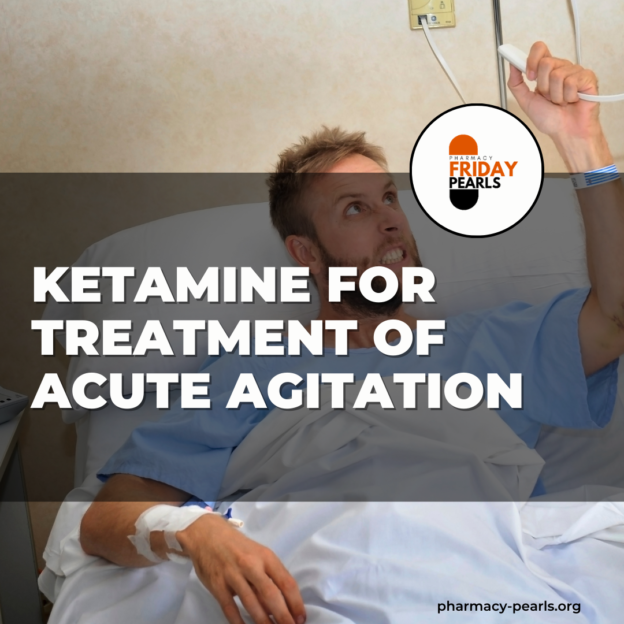
Ketamine for Treatment of Acute Agitation
Introduction Ketamine is a sedative used for patients with extreme/refractory undifferentiated agitation Indications for utilizing ketamine for emergent sedation of agitated patients include Patient poses and immediate threat to patient and healthcare provider safety (RASS +4) Failure and/or futility of alternative non-pharmacologic de-escalation strategies Absence of IV access Not a candidate for intramuscular antipsychotics and/orContinue…
-
PPIs for the Management of Upper GI Bleed
Introduction Upper GI bleed (UGIB) is a common reason for ED visits with a major cause of morbidity, mortality and medical care costs. Peptic ulcer accounts for at least 50% of UGIB cases. Patients with UGIB usually present with hematemesis, melena and/or hematochezia. Upon presentation, hemodynamic status should be evaluated and resuscitation provided if necessary.Continue…
-

Single-Dose Aminoglycosides for UTIs
Ratione molestias magnam quisquam non non dolores omnis incidunt et accusamus eum rerum quam ipsum impedit a ea excepturi et ut reprehenderit tempore repudiandae et illum autem exercitationem eos similique ad quos deleniti quo exercitationem molestiae maxime occaecati culpa ducimus aut repudiandae accusamus aliquam qui praesentium qui deserunt fugiat corrupti voluptatem quia qui deserunt modi…
-
Hypertonic Saline Versus Mannitol for ICP Reduction
Introduction Elevated intracranial pressure (ICP) is caused by excess volume in the cerebral spaces, which causes a reduction in the cerebral perfusion pressure and affects blood flow and oxygenation to the brain. Hyperosmolar agents (hypertonic saline and mannitol) are utilized to form a gradient across the blood-brain barrier to draw fluid from theContinue…
-

10 Things You Can Do If You Don’t Match for a Pharmacy Residency Program
As pharmacy residency application season comes to a close, it’s time to take a deep breath and reflect on the experience. Regardless of the outcome, it’s important to remember that you’ve put in a tremendous amount of effort and dedication to get to this point. Things didn’t go as planned but here’s 10 things youContinue…
-
Beyond Residency Applications: How to Focus on Self-Improvement and Growth
As pharmacy residency application season comes to a close, it’s time to take a deep breath and reflect on the experience. Regardless of the outcome, it’s important to remember that you’ve put in a tremendous amount of effort and dedication to get to this point. Now, it’s time to shift your focus to other areasContinue…
-
Management of Hypertensive Emergency
Introduction Hypertensive emergency is characterized by systolic blood pressure (SBP) > 180 mmHg or diastolic blood pressure (DBP) > 120 mmHg with evidence of target organ damage. Rapid blood pressure lowering with intravenous antihypertensives is warranted to prevent further organ damage. Patients presenting with intracranial hemorrhage, aortic dissection, preeclampsia, or pheochromocytoma crisis should achieve targetContinue…
-
Fibrinolytics for STEMI
Introduction Percutaneous coronary intervention (PCI) is the preferred reperfusion strategy during a cardiac arrest; thrombolytic therapy is an option without PCI capability, followed by transfer to a PCI capable center. Thrombolytic therapy is most effective when administered within 30 minutes of first medical contact, however, may be considered within 12 – 24 hours of symptomContinue…
-
Procainamide for Wide Complex Tachycardia
Introduction Ventricular tachycardia (VT) is an uncommon but dangerous medical condition, with an extremely variable clinical presentation. Intravenous procainamide is guideline recommended and is the drug of choice for the treatment of hemodynamically stable VT with a class IIa recommendation. Procainamide is an old drug with new evidence that supports it’s use but dosing strategiesContinue…
-
Digoxin Poisoning Management
Digoxin Poisoning Management Pharmacy Friday Pearl – Pharmacy & Acute Care University Download PDF Handout Introduction Digoxin treats atrial flutter, atrial fibrillation, and heart failure. Toxicity occurs when Na+/K+-ATPase inhibition raises intracellular Na+/Ca2+, triggering dysrhythmias. EKG red flags: PVCs, biphasic T waves, shortened QT interval, variable AV block. Therapeutic range 0.8 – 2.0 ng/mL; toxicity often begins >Continue…
-
Push Dose Vasopressors
Patient Case The team gets a call that there is a 75 year old male that triggered a sepsis alert in route with EMS and is currently desaturating on 15 L of oxygen with decision made to intubate this patient Prior to intubation, the patient hasn’t responded to a NS bolus infusion theseContinue…
-
Sodium Bicarbonate in Cardiac Arrest
Introduction Out-of-hospital cardiac arrest (OHCA) remains a leading cause of mortality and a substantial issue of public health concern worldwide. Sodium bicarbonate (SB) administration has been considered an important part of treatment for severe metabolic acidosis in cardiac arrest, because based on pathophysiologic considerations, normalization of extracellular and intracellular pH was considered a meaningful endpointContinue…
-
How Space Learning helps you pass board certification exams
Unleash the Power of Spaced Repetition for Pharmacist Board Certification Exams Outline Introduction A. What is Spaced Repetition? B. Benefits of Spaced Repetition for Pharmacist Board Certification Exams II. How to Implement Spaced Repetition Strategies A. Create a Study Plan and Set Regular Review Points B. Tailor the Study Plan to Your Learning Style C.Continue…
-
How the BCEMP Test is Administered and What Is On It?
Preparing for the BCEMP Exam: What You Need to Know about the Exam 1. Introduction 2. Overview of the BCEMP Exam 3. Over of Domains of BCEMP EXAM 4. Conclusion Introduction The Board Certified Emergency Medicine Pharmacist (BCEMP) exam is a rigorous assessment of emergency medicine knowledge and understanding. As an essential component for thoseContinue…
-
The Best Practices for Passing the Pharmacy Board Certification Exam
I. Introduction II. Review the Topics Covered by the Exam III. Decide Which Study Materials to Use IV. Create a Study Plan or Schedule V. Stay Motivated and Track Your Progress VI.Conclusion Introduction Are you looking to take the pharmacy board exam? Becoming certified is an important step towards a successful career as a pharmacistContinue…
-
What are the Pass rates for BPS Exams?
Uncovering the Success Rates of Board Certification Exams for Specialty Pharmacists Are you considering a career in specialty pharmacy? If so, it is important to understand the pass rates of board certification exams for this field. Board-certified specialty pharmacy certifications offer pharmacists additional training and expertise in specific areas of practice. In this article, weContinue…
-
Big Changes in Blood Pressure: A Simple Guide to the 2025 Hypertension Guidelines
The way doctors and pharmacists manage high blood pressure is about to change. The new 2025 AHA/ACC Hypertension Guidelines have been released, introducing significant, evidence-based updates designed to improve patient safety and provide more effective care. Whether you are a patient or a healthcare provider, it’s important to understand these key shifts. Here’s a simpleContinue…
- .
- .
- .
Diagnostics
Labs
- .
- .
- .
Imagining
- .
- .
- .
- .
