How Space Learning helps you pass board certification exams

Unleash the Power of Spaced Repetition for Pharmacist Board Certification Exams

Outline

Introduction

A. What is Spaced Repetition?

B. Benefits of Spaced Repetition for Pharmacist Board Certification Exams

II. How to Implement Spaced Repetition Strategies

A. Create a Study Plan and Set Regular Review Points

B. Tailor the Study Plan to Your Learning Style

C. Focus on Strengthening Weak Areas

III. Conclusion

A. Maximizing Exam Scores with Spaced Repetition Strategies

B. Final Thoughts on Using Spaced Repetition for Board Certification Exams


Introduction

Are you preparing for your Pharmacist Board Certification Exam? If so, you need to study effectively so you can make the most of your time and maximize your exam score. One way to do this is by using spaced repetition – an evidence-based learning technique proven to increase the rate of learning. In this blog post, we will discuss the benefits of spaced repetition for Pharmacist Board Certification Exams, how to implement it, and some tips on maximizing your exam score with space repetition strategies. So let’s dive in!


What is Spaced Repetition?

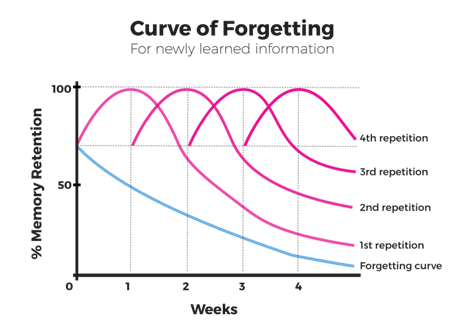
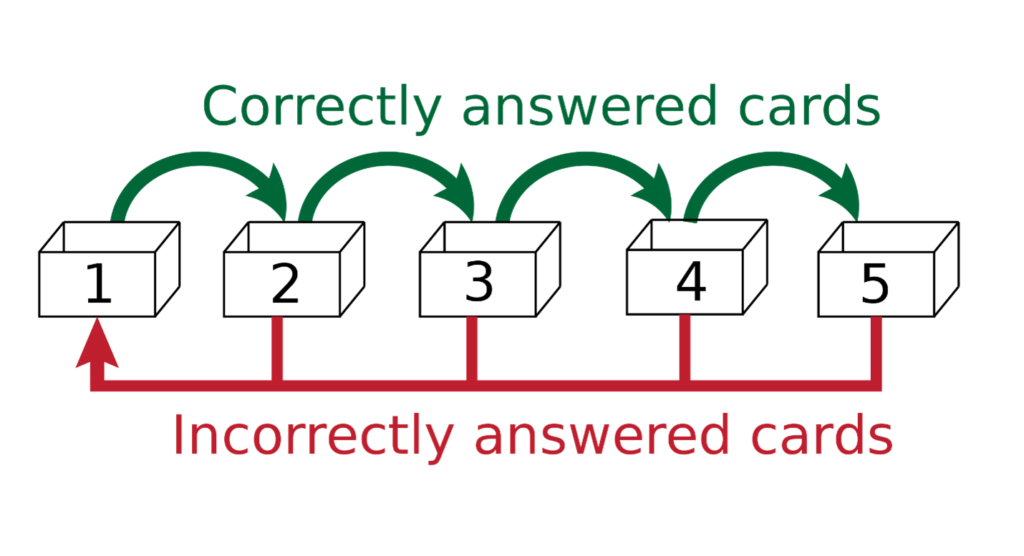
Spaced repetition is an evidence-based learning technique that is usually performed with flashcards or questions. It involves deliberately spacing out the time spent studying a specific topic or material in order to better retain the knowledge. Newly introduced and more difficult questions are shown more frequently, while older and less difficult flashcards are shown less frequently in order to exploit the psychological spacing effect. The use of space repetition has been proven to increase the rate of learning by helping students to better retain information over time. It can be used effectively in many contexts, including for pharmacist board certification exams. By using space repetition, pharmacists can ensure that they are consistently revisiting the material they need to know and strengthening their understanding of the topics. This can ultimately lead to improved exam performance and a successful board certification.


Benefits of Spaced Repetition for Pharmacist Board Certification Exams

Spaced repetition is an excellent tool for pharmacist board certification exams, as it can help to increase the rate of learning and improve performance on the exam. It can also be used to reinforce knowledge and strengthen understanding of concepts. By utilizing space repetition strategies, pharmacists can ensure that they are reviewing material in a way that is tailored to their individual needs and learning styles. By scheduling regular review sessions, pharmacists can ensure that all of the material has been thoroughly understood. This will ultimately lead to improved exam scores and better overall performance in the board certification process. Additionally, space repetition is a great way to focus on weaker areas of knowledge, allowing pharmacists to spend their studying time on topics that need more work. In this way, space repetition can be used to maximize the effectiveness of studying for board certification exams.
How to Implement Spaced Repetition Strategies

In order to effectively use space repetition strategies for pharmacist board certification exams, it is important to create a comprehensive study plan that incorporates space repetition. First, pharmacists should break down the material into smaller, more manageable chunks and create a timeline for studying each section. This timeline should be tailored to the individual’s learning style and include regular review points for space repetition. It is important to space out those reviews in order to maximize their effectiveness, as this will allow pharmacists to fully understand and retain the material. Additionally, space repetition should be used to focus on weaker areas of knowledge and ensure that those topics are being thoroughly reviewed. By creating a comprehensive space repetition strategy and sticking to it, pharmacists can ensure that they are fully prepared for their board certification exam.


Conclusion

Spaced repetition is an evidence-based learning technique that can be used effectively to maximize exam scores for pharmacist board certification exams. By utilizing space repetition strategies, pharmacists can ensure that they are consistently revisiting material and reinforcing their understanding of the topic. This will ultimately lead to improved performance on the exam and better overall outcome in the board certification process. Additionally, space repetition is a great way to focus on weaker areas of knowledge and ensure that those topics are being thoroughly reviewed. In this way, space repetition can be used to maximize the effectiveness of studying for board certification exams.

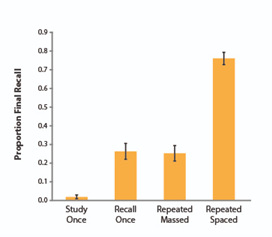
Repeated retrieval with long intervals between each test produced a 200% improvement in long-term retention relative to repeated retrieval with no spacing between tests


Reference: How To Remember What You Learn For Longer With Spaced Repetition. https://blog.alexanderfyoung.com/how-to-remember-what-you-learn-for-longer-with-spaced-repetition/

How the BCEMP Test is Administered and What Is On It?

Preparing for the BCEMP Exam: What You Need to Know about the Exam

1. Introduction

2. Overview of the BCEMP Exam

3. Over of Domains of BCEMP EXAM

4. Conclusion


Introduction

The Board Certified Emergency Medicine Pharmacist (BCEMP) exam is a rigorous assessment of emergency medicine knowledge and understanding. As an essential component for those seeking professional success within the field, this 4-hour and 23 minutes, computer-based test covers topics such as pharmacology, patient assessment, disease state management, and emergency department protocols. Knowing what to expect on the exam and how to properly prepare for it is key to passing with flying colors. This article provides an overview of the BCEMP exam and offers strategies for success. From understanding the domains covered, to reviewing relevant material, this guide will equip you with the knowledge necessary for approaching the BCEMP exam with confidence. Read on to learn more about this essential test and take the first step towards professional advancement.


BCEMP Exam Overview

The BCEMP exam is divided into three domains. Domain 1: Patient Care and Management covers topics such as patient assessment, diseases state management, pharmacology, medications, and other related issues. Domain 2: Practice Management focuses on the delivery of emergency care services including review adverse drug events and medication errors, quality assurance activities,  drug shortages, drug shortages, emergency/disaster preparedness planning, and practice advancement and growth. Domain 3: Education and Research looks into the delivery of patient education and research skills in emergency medicine. A successful completion of the BCEMP exam can be used to demonstrate mastery in emergency medicine topics and may lead to increased professional opportunities. It is important to properly prepare for the BCEMP exam by studying resources provided by the Board of Specialty Pharmacy. The exam is 175 questions , multiple-choice and is based on the content outline released by the Board. The length of the exam is 4 hours and 23 minutes. Taking the time to study for this exam adequately can ensure candidates are positioned for success on their certification journey.


Domains of BCEMP EXAM

Domain 1: Patient Care and Management covers patient assessment, disease state management, pharmacology, medications, and other related issues. This is 75% of the exam or 131 questions on the certification exam and is mostly pharmacotherapy. This included your disease state management, drug information, and preparation and procurement activities. The subdomain items are listed below

  • Participate in the bedside management of medical emergencies (e.g., trauma, stroke, psychiatric, toxicological) and resuscitations to optimize the medication use process. 
    • Identify and prioritize (triage) Emergency Department patients by analyzing the relevant acuity indices and opportunities for optimization of pharmacotherapy.
    • Collect essential patient information (including patient history, medication use) by utilizing available resources (e.g., pre-hospital providers).
    • Identify and evaluate medication-related problems based on clinical presentation, available history, or laboratory data.
    • Contribute to the formulation of a differential diagnosis in the setting of limited information. 1.06 Design pharmaceutical care plan utilizing available patient-specific information and best available evidence to provide patient and family-centered care.
    • Recommend and support implementation of the pharmaceutical care plan in the Emergency Department.
    • Expedite the preparation/procurement and administration of time-sensitive therapeutic regimens.
    • Make evidence-based recommendations for alternative routes of administration.
    • Monitor and evaluate patient response to initial therapy and re-design treatment plan as necessary.
    • Serve as the primary source of drug information for all practitioners and patients within the Emergency Department. 
    • Ensure continuity of care during healthcare transition and across levels of care.
    • Identify and seek appropriate outside resources available to assist in the management of the Emergency Department patient. 

Domain 2: Practice Management focuses on the delivery of emergency care services including review adverse drug events and medication errors, quality assurance activities, drug shortages, drug shortages, emergency/disaster preparedness planning, and practice advancement and growth. we can think of this as part of your day when you’re replying to emails, making protocols, reviewing medication safety events, and dealing with stocking your automatic dispense cabinets with medications that may or may not be on shortage. Domain 2 represents 15% of the exam or 26 questions on the certification exam. The subdomain items for domain 2 is below.

  • 2.01 Anticipate, monitor, detect, report, and review adverse drug events and medication errors. 2.02 Recognize trends, system failures, and gaps in the medication use process, and perform quality assurance activities (e.g., MUE) that promote safe and effective medication use.
  • 2.03 Ensure a process to maintain and optimize inventory and availability of medications essential to provide timely care in the Emergency Department.
  • 2.04 Ensure an appropriate process exists for medication order review in the Emergency Department.
  • 2.05 Assist the organization in achieving compliance with accreditation, legal, regulatory, and safety requirements related to the medication use process.
  • 2.06 Contribute to contingency planning that addresses limited availability of critical drugs that affect patients in the Emergency Department (e.g., drug shortages, emergency preparedness). 2.07 Participate in emergency/disaster preparedness planning or response activities.
  • 2.08 Develop, maintain, monitor, and support evidence-based medication use guidelines and pathways to assure safe and cost-effective medication use.
  • 2.09 Identify and implement opportunities for practice advancement and growth within the Emergency Department (e.g., collaborative practice agreements, public health initiatives, expanded coverage).
  • 2.10 Advocate for and justify emergency medicine pharmacy services. 

Domain 3: Education and Research look into the delivery of patient education and research skills in emergency medicine. This is probably the code name for some biostatistics and research designs here. Most of this will need a little touching on if you’re not actively involved in research. Domain 3 represents 10% of the exam or 18 questions on the certification exam. The subdomain items are listed below

  • 3.01 Provide emergency medicine professionals and trainees. — focused education, training, or mentoring for healthcare
  • 3.02 Educate patients and caregivers using appropriate techniques tailored to the audience, with a focus on high risk medications or where the visit resulted from an adverse drug event.
  • 3.03 Participate in continuous professional development related to emergency pharmacy practice (e.g., professional organizations, continuing education, clinical pharmacy networks).
  • 3.04 Retrieve and critically evaluate biomedical literature and other sources regarding study design methodology, statistical analysis, and applicability of study results to emergency medicine. 3.05 Contribute to the body of knowledge in the field of emergency medicine

Conclusion

In conclusion, the BCEMP exam is a comprehensive test that covers all aspects of emergency medicine, from patient care to practice management and education and research. Preparing for the test requires an understanding of the content domains and subdomains, as well as a thorough review of related materials. With proper preparation and dedication, individuals can successfully pass the BCEMP exam and become certified in emergency medicine. Good luck!

The BCEMP exam is a challenging test, but with the right preparation, anyone can become certified in emergency medicine.

Good luck!


Jimmy L. Pruitt III, PharmD, BCPS, BCCP
Emergency Medicine Clinical Pharmacy SPeacialist

The Best Practices for Passing the Pharmacy Board Certification Exam

I. Introduction

II. Review the Topics Covered by the Exam

III. Decide Which Study Materials to Use

IV. Create a Study Plan or Schedule

V. Stay Motivated and Track Your Progress

VI.Conclusion  


Introduction

Are you looking to take the pharmacy board exam? Becoming certified is an important step towards a successful career as a pharmacist and requires proper preparation. This guide will provide you with all the information you need to know about studying for the pharmacy board certification exam, from which materials to use to creating an effective study plan. With these tips and strategies, you can be well on your way to passing the pharmacy board exam!


Review the topics covered by your chosen board examination

When studying for the pharmacy board certification exam, it is important to review the topics covered by your chosen board examination. This will help you determine what material will be tested on the exam so you can focus your study efforts and make sure that you are adequately prepared. Generally, these exams cover a variety of topics such as pharmacology, drug therapy, pharmacy law and ethics, compounding, and pharmacokinetics. It is also important to be aware of any prerequisites or continuing education credits that may need to be completed before taking the exam.

Additionally, you should make sure to access relevant study materials that are specific for your board certification examination. Doing so will help ensure that you have all the information you need to successfully pass the exam.


Decide which study materials are best for you

When deciding which study materials are best for you, it is important to choose materials that are approved by your chosen board examination. This will help ensure that the material you are studying is accurate and up to date with the latest information. You can find these materials on websites such as the ASHP, ACCP, Pharmacy & Acute Care University or through continuing education classes.

Additionally, consider utilizing study guides, practice tests, and other resources such as online discussion forums to help you stay on track. The material you choose should be tailored to your specific board exam so that you can focus your studying for optimal results.


Create a study plan or schedule

Creating a study plan or schedule is an essential part of preparing for the pharmacy board certification exam. Start by selecting a realistic completion date and setting smaller goals along the way. Breaking up your studying into manageable chunks can help make it easier to stay on track and motivated.

Additionally, consider utilizing online tools such as a calendar or task list to keep you organized and accountable. Make sure to set aside plenty of time for practice questions and review material. This will help you become familiar with what to expect on the exam and ensure that you have mastered all the material before taking it.


Stick with your plan and stay motivated

Once you have created your study plan, it is important to stick with it and stay motivated. This can be challenging, especially if you have a busy schedule or other commitments. However, consistency is key when it comes to studying for the pharmacy board certification exam. Make sure to set aside ample time each day to focus on your studies and give yourself breaks when needed. Additionally, consider finding a study partner or forming a study group to help keep you accountable and motivated. Finally, don’t forget to reward yourself when you reach your goal so that you have something to look forward to while studying.


Conclusion

Passing the pharmacy board certification exam can be a challenging but rewarding experience. Seeking advice and support from other pharmacists can help make the process easier. Connecting with other pharmacists, whether it’s through online discussion forums or in person, can provide valuable insight and guidance that can help you succeed. Don’t be afraid to ask questions and take advantage of the wisdom of other pharmacists who have been through the process before you. With their help and support, you can feel confident as you prepare for your pharmacy board certification exam.

Good luck!

What are the Pass rates for BPS Exams?

Uncovering the Success Rates of Board Certification Exams for Specialty Pharmacists

Are you considering a career in specialty pharmacy? If so, it is important to understand the pass rates of board certification exams for this field. Board-certified specialty pharmacy certifications offer pharmacists additional training and expertise in specific areas of practice. In this article, we will explore the overall and first time pass rates for Board-Certified Critical Care Pharmacist (BCCCP) and Board-Certified Pharmacotherapy Specialist (BCPS). We will also provide useful information to help you understand the importance of obtaining specialty pharmacy certification.


Pass Rates

In this administration window, a total of 2,757 out of 4,272 examinees were successful in one of thirteen certification examinations or nine recertification examinations.

  • Board-Certified Critical Care Pharmacist (BCCCP) has a pass rate of 73% and a first-time pass rate of 82% in the most recent examination period.
  • Board-Certified Pharmacotherapy Specialist (BCPS) has a pass rate of 63% and a first-time pass rate of 72% in the most recent examination period.

These results demonstrate that pharmacists who take the relevant exams are generally successful, though they may require additional preparation depending on their field.

The statistics indicate that the exams are not easy and require a significant amount of preparation. Pharmacists should consider taking additional courses or engaging in self-study to ensure they pass the certification examinations with flying colors. Additionally, pharmacists should have experience working in their respective field before taking any board certification exam in order to better prepare themselves for the exams. It is recommended that pharmacists research the requirements for their respective certifications and begin preparing at least 3-6 months before the examination date.


The Benefits of Obtaining Board-Certified Specialty Pharmacy Certification

Becoming board-certified in a specialty field of pharmacy has many advantages. For example, pharmacists who are certified may receive higher salaries and better job opportunities. They can also help patients manage their medications more effectively and provide improved care. Furthermore, being certified is an important step to advancing one’s career and becoming a leader in the field.


Other Pass Rates

Board-Certified Critical Care Pharmacist (BCCCP) 73%

Board-Certified Cardiology Pharmacist (BCCP)     54%

Board-Certified Infectious Diseases Pharmacist (BCIDP)  73%

Board-Certified Nutrition Support Pharmacist (BCNSP)    93%

Board-Certified Oncology Pharmacist (BCOP)       57%       

Board-Certified Pediatric Pharmacy Specialist (BCPPS)     66%       

Board-Certified Pharmacotherapy Specialist (BCPS)          63%       

Board-Certified Psychiatric Pharmacist (BCPP)     52%                       

Board-Certified Transplant Pharmacist (BCTXP)  43%


In conclusion, specialty pharmacy certifications open up new opportunities to those who have the dedication and commitment to pursue them. With a pass rate of 73% for Board-Certified Critical Care Pharmacists (BCCCP) and 63% for Board-Certified Pharmacotherapy Specialists (BCPS), pharmacists who take the relevant exams are generally successful. Becoming certified provides numerous benefits such as higher salaries, better job opportunities, and improved patient care. Pharmacists should take the time to research the requirements for their respective certifications and begin preparing at least 3-6 months before the examination date in order to maximize their chances of success. With dedication, any pharmacists can achieve board certification status in a specialty field of pharmacy.

References:

https://www.bpsweb.org/2022/12/06/september-october-2022-bps-certification-and-recertification-examination-results/