How to Fail the BCEMP Exam

The Board Certified Emergency Medicine Pharmacotherapy (BCEMP) exam, offered by the Board of Pharmacy Specialties, represents a significant milestone for healthcare professionals specializing in emergency medicine pharmacotherapy. This rigorous certification process is designed to validate a practitioner’s knowledge and skills, ensuring their capability to provide optimal medication therapy in emergency situations. While aiming for success is the natural course, today, we adopt a contrarian approach by highlighting the pitfalls that could lead to failure. This reverse-psychology method aims to illuminate the path towards effective preparation by understanding the common mistakes to avoid.

1. Misunderstanding the Exam’s Scope and Requirements

Understanding the full scope and requirements of the BCEMP exam is crucial for candidates aspiring to certify their expertise in emergency medicine pharmacotherapy. The Board of Pharmacy Specialties offers a detailed overview, including eligibility criteria, content areas, and a candidate’s guide on bpsweb.org, which serves as an essential resource for aligning preparation efforts with the exam’s demands. The exam encompasses a wide range of topics, from pharmacotherapy interventions to toxicological emergencies, requiring not just memorization but the ability to apply knowledge in complex clinical scenarios. Familiarity with these details ensures a targeted and effective study plan, addressing the depth of knowledge and breadth of topics expected.

Underestimating the breadth of topics covered in the BCEMP exam can lead to significant preparation gaps, potentially impacting exam performance. A narrow focus on certain areas while neglecting others can leave candidates ill-equipped to handle the diverse and complex questions posed. The comprehensive nature of the exam, designed to reflect the real-world challenges of emergency medicine, necessitates a thorough and well-rounded approach to study. By leveraging resources like the candidate’s guide from the Board of Pharmacy Specialties, candidates can avoid the pitfalls of underestimation and ensure a holistic preparation strategy that covers all necessary content areas.

2. Relying on Ineffective Study Techniques

Relying solely on ineffective study techniques such as cramming and passive reading can be a major pitfall in preparing for the BCEMP exam. These methods are particularly unsuitable for mastering the complex and detailed information required in emergency medicine pharmacotherapy. Cramming, or the intense absorption of material shortly before the exam, fails to facilitate the deep learning necessary for long-term retention of intricate concepts. Passive reading, without active engagement, doesn’t reinforce the material in a meaningful way, making it difficult to recall under exam pressure. recall under exam pressure. The “Eight Recommendations to Promote Effective Study Habits for Biology Students Enrolled in Online Courses” emphasize the value of active learning, even in online

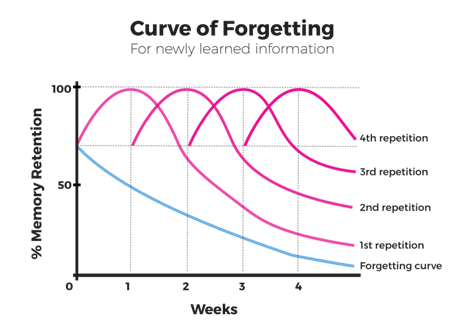
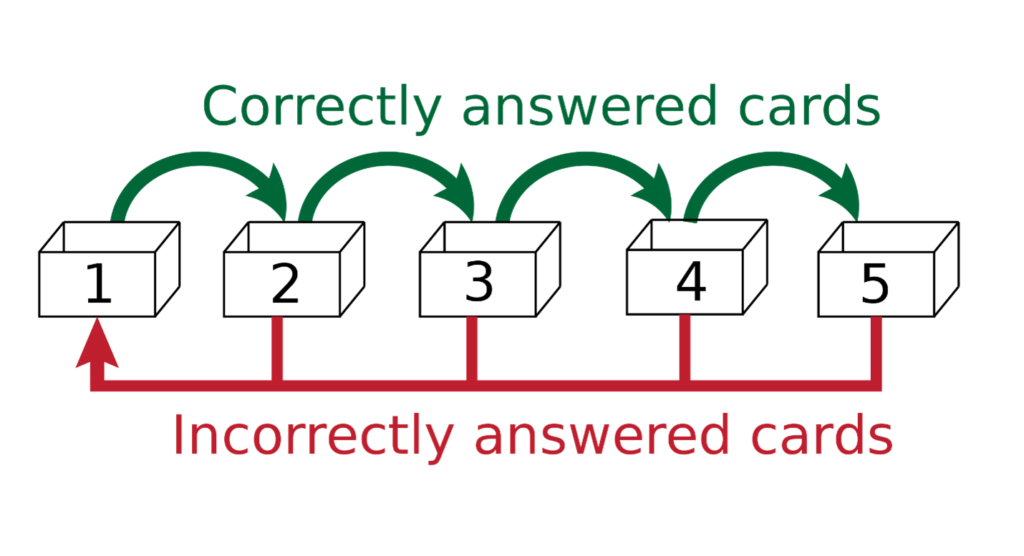
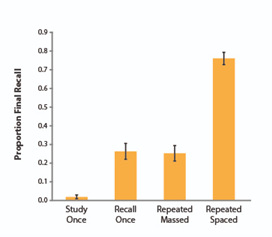
settings, suggesting that techniques fostering active engagement lead to more effective study habits. On the other hand, the benefits of spaced repetition, a study technique that involves reviewing material over increasing intervals, cannot be overstated. This method is grounded in the psychological principle of the spacing effect, which suggests that information is more easily recalled if learning sessions are spaced out over time. The Medium article “Importance of Spaced-Repetitions” highlights that spaced repetition significantly enhances long-term retention compared to massed practice (cramming), making it a superior strategy for complex subjects like pharmacotherapy. Additionally, the concept of the Ebbinghaus Forgetting Curve, detailed in “Ebbinghaus Forgetting Curve (Definition + Examples),” illustrates the natural decline of memory retention over time and how spaced repetition can counteract this effect. By incorporating these evidenced-based strategies into their study plan, candidates can greatly improve their grasp and retention of the extensive material covered in the BCEMP exam.
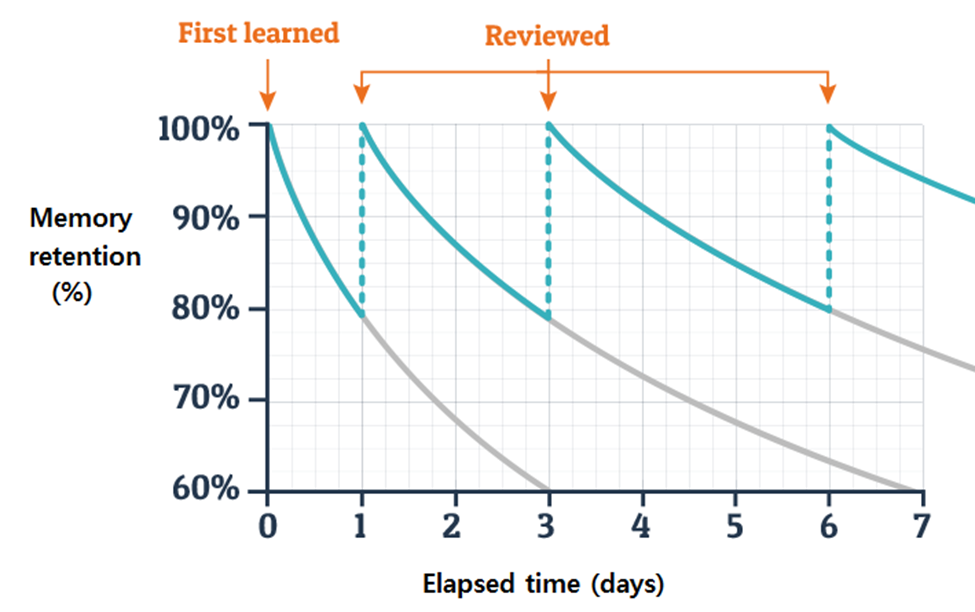
The effect of flipped learning on academic performance as an innovative method for overcoming ebbinghaus’ forgetting curve (researchgate.net)

3. Overlooking Practice Exams and Question Banks

Overlooking the value of practice exams and question banks can be a critical misstep in preparing for the BCEMP exam. These tools are essential for familiarizing oneself with the exam’s structure and the variety of questions that may be encountered. A lack of exposure to the exam format and question types can lead to difficulties in navigating the actual test, potentially impacting performance. Incorporating practice materials into one’s study routine not only aids in understanding the exam’s layout but also helps in identifying weak areas that require additional focus.

Integrating practice exams and questions into the study schedule early and consistently is key to building confidence and competence. Engaging with a variety of questions, similar to those found in well-curated resources like PACUPrep’s Q-Bank, allows candidates to simulate the exam experience, enhancing their ability to manage time and approach questions effectively. This regular practice helps in cementing knowledge and honing test-taking strategies, making the actual exam environment more familiar and less intimidating. Through this disciplined approach, candidates can significantly improve their preparedness, paving the way for success in the BCEMP exam.

4. Poor Time Management

Poor time management in the context of BCEMP exam preparation can create significant barriers to success, primarily through the development of gaps in knowledge. Without a structured approach to studying, candidates risk spending too much time on certain topics while neglecting others, leading to an uneven grasp of the required material. This imbalance can be detrimental on exam day, where a comprehensive understanding across all areas is essential. Effective allocation of study time is crucial, ensuring that each topic is given due attention based on its complexity and the candidate’s familiarity with it.

To counteract this, adopting time management strategies can greatly enhance study efficiency. For instance, the Pomodoro Technique can be particularly effective in maintaining focus and preventing burnout. By dividing study sessions into 25-minute focused intervals followed by short breaks, candidates can improve retention and sustain longer periods of productive study. Additionally, the use of calendar apps to schedule study sessions and track important deadlines ensures a structured approach, covering all necessary topics systematically. During the exam, strategies such as quickly scanning all questions to allocate time effectively and keeping track of time to pace oneself can further optimize performance, ensuring that all questions are addressed within the allotted time.

5. Neglecting Mental and Physical Health

Neglecting mental and physical health during the preparation for the BCEMP exam can significantly undermine a candidate’s cognitive function and overall performance. The intense demands of studying for such a rigorous exam can lead to stress and sleep deprivation, which are known to impair memory, concentration, and decision-making abilities. Maintaining a healthy lifestyle, therefore, becomes not just a matter of personal well-being but a strategic component of exam preparation.

Adequate sleep is fundamental to cognitive processes, including the consolidation of memory, which is crucial when absorbing vast amounts of information. Similarly, effective stress management techniques such as regular exercise, mindfulness practices, or engaging in hobbies can mitigate the adverse effects of prolonged study sessions. These practices not only help in maintaining mental clarity and focus but also contribute to a more resilient and adaptable mindset, enabling candidates to tackle the challenges of the exam with greater composure and confidence. By prioritizing health and well-being, candidates can optimize their cognitive function, enhancing their ability to learn, retain, and apply knowledge effectively.

6. Studying in Isolation

Studying in isolation for the BCEMP exam can limit a candidate’s perspective and understanding, as it restricts the exchange of ideas, knowledge, and experiences that are vital for a comprehensive learning process. Engaging solely with the material without external input or discussion can lead to a narrow interpretation of complex topics and potentially overlook areas that might be crucial for the exam. The collaborative learning that occurs in group settings can expose candidates to diverse problem-solving approaches, clarify doubts through discussion, and reinforce learning through teaching others. To counteract the drawbacks of solitary study, candidates are encouraged to participate in study groups, professional forums, and seek mentorship.

7. Not Staying Updated with Current Practices

The field of emergency medicine pharmacotherapy is dynamic, with continuous advancements in treatment protocols, medication management, and clinical guidelines. Not incorporating the latest research findings, guidelines, and best practices into study materials for the BCEMP exam can lead to a knowledge base that is outdated and not reflective of current standards of care. This gap can be particularly detrimental in an exam setting that evaluates a candidate’s ability to apply contemporary, evidence-based practices in emergency medicine scenarios.

To ensure that study materials are current and comprehensive, candidates should regularly consult reputable medical journals in the field of emergency medicine and pharmacotherapy. These journals often publish the latest research, reviews, and consensus guidelines that can inform and update a candidate’s knowledge. Additionally, engaging in continuing education courses and participating in professional networks and associations can provide insights into emerging trends and consensus opinions in the field. These resources not only aid in preparing for the BCEMP exam but also contribute to a practitioner’s ongoing professional development, ensuring that their practice remains aligned with the highest standards of patient care in emergency medicine pharmacotherapy.

Conclusion: Embracing a Proactive and Balanced Approach to Exam Preparation

In preparing for the BCEMP exam, it’s crucial to avoid common pitfalls that can hinder success. Understanding the exam’s scope, avoiding ineffective study techniques, utilizing practice exams, managing time effectively, maintaining health, engaging with peers and mentors, and staying updated with current practices are all key to a well-rounded preparation strategy. Neglecting any of these areas can lead to gaps in knowledge, unnecessary stress, and ultimately, underperformance in the exam.

Embracing a proactive and balanced approach to studying is essential. This means not only covering all the necessary material but doing so in a way that promotes deep understanding and long-term retention. Active learning, effective time management, collaboration, and continuous learning are all part of a holistic study plan. The goal is not just to pass the BCEMP exam but to excel in the field of emergency medicine pharmacotherapy, ensuring that you are well-equipped to provide the highest level of care to patients in critical situations. By avoiding these common pitfalls and adopting a disciplined approach to preparation, candidates can position themselves for success, both in the exam and in their professional practice.

References

  • American Board of Pharmacy Specialties. Pharmacotherapy: Specialty Certification Examination Content Outline. https://www.bpsweb.org/wp-content/uploads/bps-specialties/pharmacotherapy/PT_contentoutline.pdf. Accessed September 28, 2021.
  • Dunlosky J, Rawson KA, Marsh EJ, Nathan MJ, Willingham DT. Improving students’ learning with effective learning techniques: promising directions from cognitive and educational psychology. Psychol Sci Public Interest. 2013;14(1):4-58. doi:10.1177/1529100612453266
  • Brown PC, Roediger HL 3rd, McDaniel MA. Make It Stick: The Science of Successful Learning. Cambridge, MA: Belknap Press of Harvard University Press; 2014.
  • Johnson M, Taubenheim A, Samar H, et al. Examining the impact of practice testing on learning and retention of medical information. Curr Pharm Teach Learn. 2020;12(9):1037-1045. doi:10.1016/j.cptl.2020.06.005
  • Hartwig MK, Dunlosky J. Study strategies of college students: are self-testing and scheduling related to achievement? Psychon Bull Rev. 2012;19(1):126-134. doi:10.3758/s13423-011-0181-y
  • McDaniel MA, Agarwal PK, Huelser BJ, McDermott KB, Roediger HL 3rd. Test-enhanced learning in a middle school science classroom: the effects of quiz frequency and placement. J Educ Psychol. 2011;103(2):399-414. doi:10.1037/a0021782
  • Kornell N, Bjork RA. The promise and perils of self-regulated study. Psychon Bull Rev. 2007;14(2):219-224. doi:10.3758/bf03194055
  • Chew SL. How to Get the Most Out of Studying Video Series. http://www.samford.edu/how-to-study/. Published 2011. Accessed September 28, 2021.
  • Tuckman BW, Rapport MD. A 16-session time management intervention for college students with attention deficit hyperactivity disorder. Behav Modif. 2019;43(4):527-559. doi:10.1177/0145445518777735
  • Dyrbye LN, Shanafelt TD, Sinsky CA, et al. Burnout among health care professionals: a call to explore and address this underrecognized threat to safe, high-quality care. NAM Perspectives. 2017;7(7). doi:10.31478/201707b
  • Pagnini F, Bercovitz KE, Phillips D. Calm education: meta-analysis of mindfulness and emotion regulation strategies for teachers and students. Int J Stress Manag. 2018;25(4):364-376. doi>10.1037/str0000104
  • Cohen S, Janicki-Deverts D, Miller GE. Psychological stress and disease. JAMA. 2007;298(14):1685-1687. doi:10.1001/jama.298.14.1685
  • Krupat E, Richards JB, Sullivan AM, Fleenor TJ Jr, Schwartzstein RM. Assessing the effectiveness of case-based collaborative learning via randomized controlled trial. Acad Med. 2016;91(5):723-729. doi:10.1097/ACM.0000000000001044
  • Karpicke JD, Blunt JR. Retrieval practice produces more learning than elaborative studying with concept mapping. Science. 2011;331(6018):772-775. doi:10.1126/science.1199327
  • Singh N. Habituation, Memory, Spaced-Repetitions, Massed-Repetition. LeMe’24 Blog Post 4. March 7, 2024. Available from: https://medium.com/@nishchay.singh.23510074/habituation-memory-spaced-repetitions-massed-repetition-7640d4595429
  • Ewell SN, Cotner S, Drake AG, Fagbodun S, Google A, Robinson L, Soneral P, Ballen CJ. 2022. Eight Recommendations to Promote Effective Study Habits for Biology Students Enrolled in Online Courses. J Microbiol Biol Educ. 23:e00260-21.
Master the BCPS Exam: Effective Study Techniques for Pharmacists Using Spaced Repetition and Testing

Pharmacists play a crucial role in the healthcare industry, ensuring safe and effective drug therapy management. Pursuing board certification, such as the Board Certified Pharmacotherapy Specialist (BCPS) credential, not only validates your expertise but also enhances your career prospects. As the exam requires a deep understanding of complex concepts, it’s essential to employ the most effective learning techniques. In this SEO-optimized article, we’ll explore the science of studying, focusing on spaced repetition and testing, and introduce you to PACUPrep Q-Bank – an AI-driven learning platform tailored for healthcare professionals like you.


The Science Behind Spaced Repetition for BCPS Exam Preparation:

Spaced repetition is a learning technique that involves breaking down material into smaller, more manageable pieces and reviewing them at increasingly longer intervals. This method has been proven to be more effective than simply rereading material, as it reinforces the information in your long-term memory, making it easier to recall when needed.

For pharmacists preparing for the BCPS exam, spaced repetition can be a powerful tool to improve your understanding of complex drug interactions, side effects, pharmacokinetics, and other essential topics. By reviewing the material at strategic intervals, you’re more likely to retain crucial information for the exam.

Harness the Power of Testing for BCPS Exam Success:

Active testing is another proven technique to enhance retention and recall. By regularly testing yourself on the material you’ve learned, you engage in deeper cognitive processes, strengthening neural connections in your brain. This method, known as retrieval practice, has been shown to be more effective than rereading or passive learning.

Pharmacists studying for the BCPS exam can significantly benefit from incorporating testing into their study routine. By creating flashcards or engaging in practice quizzes, you can reinforce your understanding of drug classifications, dosage calculations, patient counseling techniques, and other essential BCPS exam topics.

Discover PACUPrep Q-Bank for BCPS Exam Preparation:

Recognizing the value of spaced repetition and testing, the PACUPrep team has developed a state-of-the-art Q-Bank platform specifically designed for healthcare professionals, including pharmacists pursuing the BCPS credential. PACUPrep Q-Bank is an AI-driven learning tool that uses spaced repetition and incorporates the latest findings in cognitive psychology.

PACUPrep Q-Bank offers the following advantages for BCPS exam preparation:

  1. Customized Learning Path: The AI-driven platform analyzes your performance and tailors the learning path to your specific needs, ensuring you focus on areas where you need the most improvement.
  2. Spaced Repetition: PACUPrep Q-Bank optimizes the spacing of questions to maximize long-term retention, making your BCPS exam study sessions more efficient and effective.
  3. Team-Focused: Collaborate with your peers, share study resources, and track each other’s progress to foster a supportive learning environment for BCPS exam success.
  4. Up-to-Date Content: The platform is continuously updated to reflect the latest advancements in pharmacology, ensuring you stay current with the most recent developments in the field and the BCPS exam requirements.

PACUPrep Q-Bank offers the following advantages for BCPS exam preparation:

  1. Customized Learning Path: The AI-driven platform analyzes your performance and tailors the learning path to your specific needs, ensuring you focus on areas where you need the most improvement.
  2. Spaced Repetition: PACUPrep Q-Bank optimizes the spacing of questions to maximize long-term retention, making your BCPS exam study sessions more efficient and effective.
  3. Team-Focused: Collaborate with your peers, share study resources, and track each other’s progress to foster a supportive learning environment for BCPS exam success.
  4. Up-to-Date Content: The platform is continuously updated to reflect the latest advancements in pharmacology, ensuring you stay current with the most recent developments in the field and the BCPS exam requirements.

Pass Rates for the BCPS Exam: What You Need to Know

If you’re preparing for the Board-Certified Pharmacotherapy Specialist (BCPS) exam, you’re probably wondering what the pass rates are like. After all, knowing the pass rates can help you set realistic expectations and prepare more effectively. In this blog post, we’ll take a closer look at the pass rates for the BCPS exam and what you need to know.


Overall Pass Rates according to data from the Board of Pharmacy Specialties (BPS), the overall pass rate for the BCPS exam is around 55%. This means that slightly more than half of all test takers pass the exam. The numbers for first-time exam takers are slightly higher, with a pass rate of 69%.

While these pass rates may seem low, it’s important to remember that the BCPS exam is designed to be challenging. It’s meant to test your knowledge and skills in pharmacotherapy, and passing it is a significant achievement.

Content Outline changes one question that many BCPS exam takers have is whether there are any changes to the content outline for the exam. The last update to the content outline was in 2020, and since then, no major changes have been made. This means that you can expect the same number of questions from each topic area.

However, it’s worth noting that BPS historically updates the content outline for the exam every 3-5 years. While there are no planned changes for 2023, it’s possible that there may be changes in the coming years. It’s important to stay up-to-date on any changes to the content outline to ensure that you’re prepared for the exam.


Number of Questions and Exam Format the BCPS exam consists of 175 multiple-choice questions, with one answer for each question. You do not need to memorize brand names, as generic names are used in the exam.

You’ll have 4 hours and 23 minutes to complete the exam, which works out to about 1 minute and 30 seconds per question. This highlights the importance of setting a good pace and practicing with a practice exam to ensure that you’re comfortable with the time limit.


Conclusion: Preparing for the BCPS exam can be challenging, but knowing the pass rates and what to expect can help you prepare more effectively. With a pass rate of around 55%, it’s clear that passing the exam is a significant achievement. By staying up-to-date on any changes to the content outline and practicing with a practice exam, you can improve your chances of success on the exam.

Good luck!

BCEMP Exam Preparation: Choose Your Study Material Wisely!

Introduction

If you’re looking to ace the BCEMP exam, then you’ve come to the right place! We have reviewed everything you need to get started – from ASHP/ACCP’s Emergency Medicine Pharmacy Specialty Review Course to HighYieldMedReviews’ BCEMP REVIEW package.

And if that wasn’t enough, PACU has the PACUPrep BCEMP Q bank, so you can be sure to prepare for any and all questions. With these study materials in your arsenal, you’ll be more than ready to tackle the BCEMP exam with confidence! Now, let’s get studying!


ASHP/ACCP Emergency Medicine Pharmacy Specialty Review Course

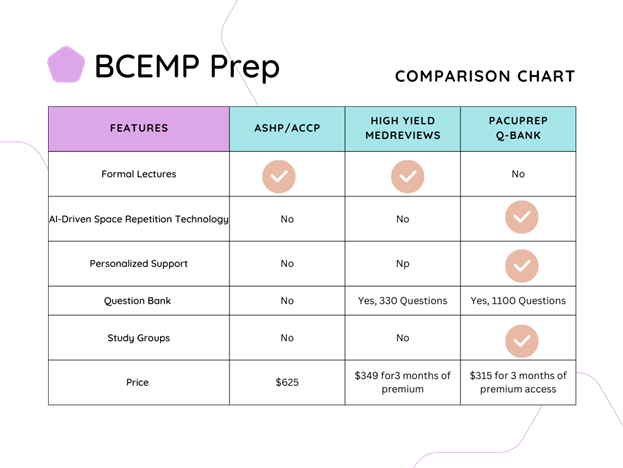
The ASHP/ACCP Emergency Medicine Pharmacy Specialty Review Course is an essential resource for those looking to ace the BCEMP exam. It contains comprehensive review material covering all of the key topics that you’ll need to know to pass. This course also includes a practice exam, so you can test your knowledge and identify any areas that need further study. With the ASHP/ACCP Emergency Medicine Pharmacy Specialty Review Course, you’ll be well-prepared to tackle most questions on the BCEMP exam. One of the downsides is the cost at $425 for members and $625 for non-members. Another component is that this method has less than 400 practice questions outside the practice exam, and not all disease states are covered that may end up on the test. This is slightly different from previous work by ACCP and ASHP as this seems to be a little thinner than previous products for other board certification prep. There is a live study prep that is done in Dallas this March 3-4 if you are interested. This method is what most people will recognize due to having the largest market share of the prep courses but if the product doesn’t improve, others in the market could have an advance in the coming years.

HighYieldMedReviews’ BCEMP REVIEW package

HighYieldMedReviews’ BCEMP review package is an ideal choice for those looking to brush up on their knowledge of the topics covered in the BCEMP exam. This comprehensive study bundle includes more than 330 practice questions and answers, as well as a detailed review of all the key concepts tested on the exam. The review material in the Ebook seems to be more geared towards early-stagged pharmacists, as there’s a lot of discussion on pharmacology and material that could be more useful for trainees. The question bank material is not complete as 1/3 of the question bank is toxicology, and a few very questions at the time of this writing are on neurology, cardiology, and infectious diseases. The questions don’t line up well compared to other options on this list due to the lack of depth of questions in areas like infectious diseases. This is a good tool if you need to get the biostatistics package and review basic concepts. The cost is $349 for the premium package.

PACUPrep BCEMP Question Bank

PACUPrep BCEMP Q-Bank is the ultimate choice for exam preparation for the BCEMP testing. Being the newer product in the board prep business, it appears PACUPrep has focused on one main area, testing and space repetition, and went all in there. With over 1000 thoughtfully curated questions, simulated to mimic real test conditions and advanced space learning algorithms – PACU’s BCEMP Q Bank for achieving your best results in the Board of Pharmacy Specialties (BPS) Emergency Medicine Exam. In addition to the comprehensive question bank, PACUPrep offers detailed analytics reports and personal support anytime, anywhere on both desktop and mobile devices. PACUPrep is the best option for testing and practice exams. Another benefit of PACUPrep is the personalized approach with study plan generation and access to a study group. The personalized approach appears to be the advantage over the other products on the market at this time. PACUPrep does not have formal review material outside of the explanation of the questions. Still, they do provide a list of references including guidelines, review articles, and podcasts by disease states that can be used to prepare for the BCEMP exam. For the price of $305 for three months, you won’t find a better value for your money than PACU’s BCEMP Q Bank at this time.

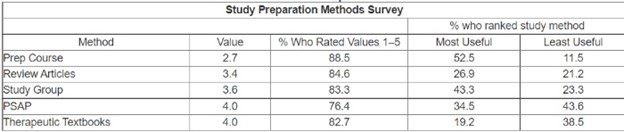
ACCP conducted a survey about the best study preparation methods with lower numbers being ranked higher and lower numbers being ranked lower. This data reveals that the top three methods include a prep course, review articles, and a study group. When looking at the products it appears that only PACUPrep has an extensive question bank, formal study groups, and direct links to review articles. ASHP and ACCP has joined forces to create a prep course, however, the structure is different from past years. High Yield MedReviews has an extremely dense prep course with material ranging back to NAPLEX prep and has a limited question bank, that is expected to grow.

Image from https://www.accp.com/careers/boardFAQ.aspx


In conclusion, each of the available BCEMP exam preparation options has distinct advantages and limitations. HighYieldMedReviews’ BCEMP REVIEW package provides comprehensive review material and practice questions to help you brush up on your knowledge, while ASHP/ACCP Emergency Medicine Pharmacy Specialty Review Course offers course structure that is different from past years. Finally, PACUPrep BCEMP Question Bank offers the most comprehensive question bank and advanced space learning algorithms along with a personalized approach with study plan generation and access to a study group. Depending on your individual needs and budget, these options can help you get ready for the BCEMP exam.

Good luck on your exams!

How to Maintain your BCEMP

Make BCEMP Easy as ABC: A Guide to Re-Certifying for BCEMPs

Are you looking for ways to maintain your Board Certified Emergency Medicine Pharmacist® (BCEMP) certification? BPS offers a range of options, including taking the recertification exam every seven years and completing approved professional development activities. There are plenty of opportunities available for BCEMPs who want to stay up-to-date and ahead of the curve in their field. Read on to learn more about how you can keep your BCEMP Certification current through continuing education or examination.


BCEMP Recertification Exam

 BPS requires that BCEMPs complete either a recertification exam every seven years or participate in BPS-approved activities in order to maintain their certification status. 

  • The recertification exam is 100 questions and has 75 questions dedicated to patient care/management, 15 questions dedicated to practice management, and 10 questions dedicated to education and research.
  • The total length of the exam is 2 hours and 30 minutes.

The advantage to this method is that BCEMPs will not have to purchase continued education credits and pass those exams and potentially be cost-saving. The disadvantage is that by not consistently utilizing the CE courses, some BCEMPs could fall behind in specific practice areas that may have changed over the years. 


Completing Approved Professional Development Activities

In addition to taking the recertification exam every seven years, BPS also offers approved professional development activities that BCEMPs can complete in order to maintain their certification status.

In terms of BPS-approved professional development activities, BCEMPs can acquire at least 100 hours of credit every seven years.

  • BPS offers a variety of BPS-approved programs, including self-directed learning activities, live or virtual lectures/presentations, online courses and seminars, and BC EMP workshops.
  • All BPS approved credits must be reported in the BPS certification database which is accessible to all pharmacists.

The advantage to this method is that it allows BCEMPs to stay current on any changes in the field without having to take the recertification exam every seven years. Additionally, BPS-approved activities are BPS’s way to recognize the knowledge and skills its certified professionals have developed over time. The disadvantage is that there may be added costs associated with purchasing CE credits for some activities and BCEMPs may need to take more time out of their already busy schedules for these activities.

Through BPS’s recertification process, pharmacists have the opportunity to stay up-to-date and remain certified Board Certified Emergency Medicine Pharmacists® (BCEMP). Whether you opt to take the recertification exam every seven years or pursue BPS-approved activities, there are plenty of options available that can help you maintain your BCEMP certification status. With BPS’s resources and guidance, pharmacists can stay competitive in their profession while remaining at the forefront of patient care.

Achieve Excellence in Your Field: Benefits of Becoming Board Certified with the Board of Pharmacy Specialties (BPS)

Becoming board certified with the Board of Pharmacy Specialties (BPS) can provide many benefits to pharmacists.

This certification is an indicator of a pharmacist’s commitment to their patients and profession, as well as their dedication to staying up-to-date on the latest developments in their field of expertise.

This certification also demonstrates a higher level of knowledge, skill, and competency in the specific area of specialty. Board certified pharmacists are seen as leaders in their field and can open up more opportunities for career advancement within the pharmacy profession. In addition, board certified pharmacists may be eligible for salary increases when compared to those who haven’t achieved this certification.

The BPS offers a variety of specialties to choose from, allowing pharmacists to focus on the areas in which they have the most interest and experience. Becoming board certified with the Board of Pharmacy Specialties can be an invaluable step towards becoming a successful pharmacist. It shows employers that you have the knowledge and dedication required to provide quality care to patients, which can help you stand out from other applicants. It also provides personal satisfaction in knowing that you have achieved a higher standard of excellence in your field.

By becoming board certified with the Board of Pharmacy Specialties, pharmacists can demonstrate their commitment to providing the highest level of care to their patients. It is an investment in yourself, as well as a commitment to the profession of pharmacy and the patients it serves. Becoming board certified with the Board of Pharmacy Specialties can be a rewarding experience that benefits pharmacists both professionally and personally.

Five Steps to Becoming a Board-Certified Emergency Medicine Pharmacist


1. Introduction: Overview of the importance of becoming a Board Certified Emergency Medicine Pharmacist

2. Step 1: Obtain an Accredited Pharmacy Degree

3. Step 2: Complete the NAPLEX and MPJE Exam

4. Step 3: Gain Experience in an Emergency Medicine Setting

5. Step 4: Take the BCEMP Exam

6. Step 5: Maintain the BCEMP Credential

7. Conclusion: Benefits of Becoming a Board-Certified Emergency Medicine Pharmacist


Introduction

Becoming a Board Certified Emergency Medicine Pharmacist (BCEMP) is a great way to specialize in providing safe, effective medication services in hospital settings. It requires specialized training and certification from a recognized board of pharmacy, such as the Board of Pharmacy Specialties (BPS).

This article will explain the five steps needed to become a BCEMP, including obtaining an accredited pharmacy degree, taking the NAPLEX and MPJE exams, gaining experience in an emergency medicine setting, taking the BCEMP exam, and earning and maintaining your BCEMP credential. With the right preparation and experience, you can make a difference in patient care by becoming a board-certified emergency medicine pharmacist.


Here are the five steps to becoming a board certified emergency medicine pharmacist:

1. Obtain an Accredited Pharmacy Degree – To become a BCEMP, you must first complete an accredited Doctor of Pharmacy (PharmD) degree program. Programs typically take four years to complete, and some require residency training.

2. Complete the NAPLEX and MPJE Exam – The National Association of Boards of Pharmacy (NABP) requires all pharmacy professionals to pass the NAPLEX and MPJE Exam to be eligible for certification. The NAPLEX is a national examination that gauges your knowledge and understanding of pharmacy practice. At the same time, the MPJE is a state-specific exam assessing your legal knowledge related to the distribution and use of drugs.

3. Get Experience in a emergency Medicine Setting – You must obtain at least four years of practice experience in a hospital or emergency department setting with at least 50% of time spent in the scope defined by the Board of Specialty Pharmacy to meet the requirements for board certification. During this time, you should strive to gain as much knowledge of emergency medications and protocols as possible. Another way to become eligible is with residency training . Successful completion of PGY1 pharmacy residency2 within the past seven years, plus at least two years of Emergency Medicine Pharmacy practice experience1 with at least 50% of time spent in the scope. PGY2 training is the quickest method, as BPS requires successful completion of PGY1 pharmacy residency2 plus successful completion of an ASHP-accredited/candidate status PGY2 pharmacy residency in Emergency Medicine Pharmacy within the past seven years.

4. Take the BCEMP Exam – Once you have completed the necessary experience and education, you can apply to take the BCEMP exam. This exam tests your knowledge of emergency medicine protocols, pharmacology principles, patient care and management, practice management, education and research, and regulations related to dispensing medications in an emergency setting.

5. Earn and Maintain the BCEMP Credential – After completing the exam, you will receive a certification from BPS indicating that you are now a Board Certified Emergency Medicine Pharmacist. However, to maintain this credential, you must earn at least 100 hours of continuing education credit provided by a professional development program approved by BPS. Another method is by examination, where you have to achieve a passing score on the 100-item recertification examination (administered by BPS), based on the content outline for the Emergency Medicine Pharmacy Specialty in their seventh year following initial certification.


Conclusion

Becoming a board-certified emergency medicine pharmacist is essential in providing safe, effective medication services in hospital settings. With the proper training and experience, you can make a long-term career in this field. Following the steps outlined here, anyone with a PharmD degree can become certified to practice emergency medicine. With the correct preparation and dedication, you can become a board-certified emergency medicine pharmacist and expand your career opportunities.


Jimmy L. Pruitt III, PharmD, BCPS, BCCCP
Emergency Medicine Clinical Pharmacy Specialist

What are the requirements to sit for BCEMP exam?

– BPS BCEMP Exam: An Overview of Requirements

Are you looking to advance your career as a pharmacist in the field of emergency medicine? BPS Board Certified Emergency Medicine Pharmacist (BCEMP) certification is an excellent way to demonstrate your expertise in this field and open up new opportunities for advancement.

To qualify for the BPS BCEMP exam, one must have at least four years of full-time experience in emergency medicine practice and or residency training. In this article, we will provide an overview of the BPS BCEMP certification process, including requirements needed to qualify for the exam and tips for successful completion. Read on to learn more about how you can elevate your career as a pharmacist through BPS BCEMP certification.

Earning Board-Certified Emergency Medicine Pharmacist (BCEMP) recognition can be a major milestone for those seeking to specialize in the field. Prospective candidates must meet all requirements listed before taking the initial certification exam, which will ultimately determine eligibility for board designation. Passing this specialized examination is an opportunity to take your career and professional standing as an emergency medicine pharmacist one step further!

To qualify for BPS Board Certified Emergency Medicine Pharmacist (BCEMP) certification, one must meet certain criteria. This includes having a current, active license/registration to practice pharmacy in the United States or another jurisdiction and graduation from a pharmacy program accredited by the Accreditation Council for Pharmacy Education (ACPE) or a program outside the U.S. that qualifies the individual to practice in their jurisdiction.  Additionally, applicants must have at least four years of full-time experience in emergency medicine practice and/or residency training, or completion of PGY1 pharmacy residency plus two years of Emergency Medicine Pharmacy practice experience with at least 50% of time spent in the scope defined by the exam content outline. Another way is by successfully completing PGY1 pharmacy residency2 plus completing an ASHP-accredited/candidate status PGY2 pharmacy residency in Emergency Medicine Pharmacy within the past seven years. For any BPS certification examination, applicants who choose to demonstrate their eligibility through practice experience must have a valid employer attestation verifying that 50% of the time in the activities related to that certifcation has been spent within 7 years prior to submitting an application.

Applicants must also pass the BPS-approved BCEMP exam. This BPS Board Certified Emergency Medicine Pharmacist (BCEMP) assessments typically cover topics such as pharmacology, clinical practice guidelines, therapeutic decision-making, and more. Upon successful completion of the BPS BCEMP examination, individuals will be certified as BPS Board Certified Emergency Medicine Pharmacists. This certification demonstrates expertise in providing safe and effective medication therapies and responding to complex clinical situations that may arise in an emergency care environment.


Eligibility Requirements

A. Graduation from ACPE-accredited pharmacy program or international program

B. Active license/registration to practice pharmacy in U.S./jurisdiction

C. Practice experience (4 years EM, PGY1 +2 years, or PGY1+ PGY2 EM)


We hope this overview of the BPS BCEMP certification process has been useful for those looking to take their career as a pharmacist in the field of emergency medicine to the next level. BPS Board Certified Emergency Medicine Pharmacist (BCEMP) certification is a valuable credential that can open up new opportunities and help you stand out from the crowd.

Good luck with your BPS BCEMP examination journey!

What is Board Certified Emergency Medicine Pharmacist  (BCEMP)?

The Board Certified Emergency Medicine Pharmacist (BCEMP) program is a credential for pharmacists who specialize in the care for patients at the bedside across diverse populations and acuity levels, with a focus on optimizing pharmacotherapy, improving patient safety, increasing efficiency and cost-effectiveness of care, facilitating medication stewardship, educating patients and other healthcare providers, and contributing to scholarly efforts.

The purpose of the BCEMP program is to validate that the pharmacist has the advanced knowledge and experience to optimize patient outcomes by ensuring quality patient care; improving therapeutic outcomes; assuring safety; and supervising, training, and ensuring competency of all personnel involved in emergency medicine.

Pharmacists who meet all of the eligibility criteria including passing an examination will be awarded the credential titled: Board Certified Emergency Medicine Pharmacist® (BCEMP).

How Space Learning helps you pass board certification exams

Unleash the Power of Spaced Repetition for Pharmacist Board Certification Exams

Outline

Introduction

A. What is Spaced Repetition?

B. Benefits of Spaced Repetition for Pharmacist Board Certification Exams

II. How to Implement Spaced Repetition Strategies

A. Create a Study Plan and Set Regular Review Points

B. Tailor the Study Plan to Your Learning Style

C. Focus on Strengthening Weak Areas

III. Conclusion

A. Maximizing Exam Scores with Spaced Repetition Strategies

B. Final Thoughts on Using Spaced Repetition for Board Certification Exams


Introduction

Are you preparing for your Pharmacist Board Certification Exam? If so, you need to study effectively so you can make the most of your time and maximize your exam score. One way to do this is by using spaced repetition – an evidence-based learning technique proven to increase the rate of learning. In this blog post, we will discuss the benefits of spaced repetition for Pharmacist Board Certification Exams, how to implement it, and some tips on maximizing your exam score with space repetition strategies. So let’s dive in!


What is Spaced Repetition?

Spaced repetition is an evidence-based learning technique that is usually performed with flashcards or questions. It involves deliberately spacing out the time spent studying a specific topic or material in order to better retain the knowledge. Newly introduced and more difficult questions are shown more frequently, while older and less difficult flashcards are shown less frequently in order to exploit the psychological spacing effect. The use of space repetition has been proven to increase the rate of learning by helping students to better retain information over time. It can be used effectively in many contexts, including for pharmacist board certification exams. By using space repetition, pharmacists can ensure that they are consistently revisiting the material they need to know and strengthening their understanding of the topics. This can ultimately lead to improved exam performance and a successful board certification.


Benefits of Spaced Repetition for Pharmacist Board Certification Exams

Spaced repetition is an excellent tool for pharmacist board certification exams, as it can help to increase the rate of learning and improve performance on the exam. It can also be used to reinforce knowledge and strengthen understanding of concepts. By utilizing space repetition strategies, pharmacists can ensure that they are reviewing material in a way that is tailored to their individual needs and learning styles. By scheduling regular review sessions, pharmacists can ensure that all of the material has been thoroughly understood. This will ultimately lead to improved exam scores and better overall performance in the board certification process. Additionally, space repetition is a great way to focus on weaker areas of knowledge, allowing pharmacists to spend their studying time on topics that need more work. In this way, space repetition can be used to maximize the effectiveness of studying for board certification exams.


How to Implement Spaced Repetition Strategies

In order to effectively use space repetition strategies for pharmacist board certification exams, it is important to create a comprehensive study plan that incorporates space repetition. First, pharmacists should break down the material into smaller, more manageable chunks and create a timeline for studying each section. This timeline should be tailored to the individual’s learning style and include regular review points for space repetition. It is important to space out those reviews in order to maximize their effectiveness, as this will allow pharmacists to fully understand and retain the material. Additionally, space repetition should be used to focus on weaker areas of knowledge and ensure that those topics are being thoroughly reviewed. By creating a comprehensive space repetition strategy and sticking to it, pharmacists can ensure that they are fully prepared for their board certification exam.


Conclusion

Spaced repetition is an evidence-based learning technique that can be used effectively to maximize exam scores for pharmacist board certification exams. By utilizing space repetition strategies, pharmacists can ensure that they are consistently revisiting material and reinforcing their understanding of the topic. This will ultimately lead to improved performance on the exam and better overall outcome in the board certification process. Additionally, space repetition is a great way to focus on weaker areas of knowledge and ensure that those topics are being thoroughly reviewed. In this way, space repetition can be used to maximize the effectiveness of studying for board certification exams.

Repeated retrieval with long intervals between each test produced a 200% improvement in long-term retention relative to repeated retrieval with no spacing between tests


Reference: How To Remember What You Learn For Longer With Spaced Repetition. https://blog.alexanderfyoung.com/how-to-remember-what-you-learn-for-longer-with-spaced-repetition/