Master the BCPS Exam: Effective Study Techniques for Pharmacists Using Spaced Repetition and Testing

Pharmacists play a crucial role in the healthcare industry, ensuring safe and effective drug therapy management. Pursuing board certification, such as the Board Certified Pharmacotherapy Specialist (BCPS) credential, not only validates your expertise but also enhances your career prospects. As the exam requires a deep understanding of complex concepts, it’s essential to employ the most effective learning techniques. In this SEO-optimized article, we’ll explore the science of studying, focusing on spaced repetition and testing, and introduce you to PACUPrep Q-Bank – an AI-driven learning platform tailored for healthcare professionals like you.


The Science Behind Spaced Repetition for BCPS Exam Preparation:

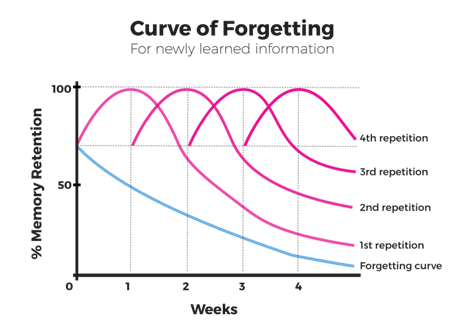
Spaced repetition is a learning technique that involves breaking down material into smaller, more manageable pieces and reviewing them at increasingly longer intervals. This method has been proven to be more effective than simply rereading material, as it reinforces the information in your long-term memory, making it easier to recall when needed.

For pharmacists preparing for the BCPS exam, spaced repetition can be a powerful tool to improve your understanding of complex drug interactions, side effects, pharmacokinetics, and other essential topics. By reviewing the material at strategic intervals, you’re more likely to retain crucial information for the exam.

Harness the Power of Testing for BCPS Exam Success:

Active testing is another proven technique to enhance retention and recall. By regularly testing yourself on the material you’ve learned, you engage in deeper cognitive processes, strengthening neural connections in your brain. This method, known as retrieval practice, has been shown to be more effective than rereading or passive learning.

Pharmacists studying for the BCPS exam can significantly benefit from incorporating testing into their study routine. By creating flashcards or engaging in practice quizzes, you can reinforce your understanding of drug classifications, dosage calculations, patient counseling techniques, and other essential BCPS exam topics.

Discover PACUPrep Q-Bank for BCPS Exam Preparation:

Recognizing the value of spaced repetition and testing, the PACUPrep team has developed a state-of-the-art Q-Bank platform specifically designed for healthcare professionals, including pharmacists pursuing the BCPS credential. PACUPrep Q-Bank is an AI-driven learning tool that uses spaced repetition and incorporates the latest findings in cognitive psychology.

PACUPrep Q-Bank offers the following advantages for BCPS exam preparation:

  1. Customized Learning Path: The AI-driven platform analyzes your performance and tailors the learning path to your specific needs, ensuring you focus on areas where you need the most improvement.
  2. Spaced Repetition: PACUPrep Q-Bank optimizes the spacing of questions to maximize long-term retention, making your BCPS exam study sessions more efficient and effective.
  3. Team-Focused: Collaborate with your peers, share study resources, and track each other’s progress to foster a supportive learning environment for BCPS exam success.
  4. Up-to-Date Content: The platform is continuously updated to reflect the latest advancements in pharmacology, ensuring you stay current with the most recent developments in the field and the BCPS exam requirements.
PACUPrep Q-Bank offers the following advantages for BCPS exam preparation:

  1. Customized Learning Path: The AI-driven platform analyzes your performance and tailors the learning path to your specific needs, ensuring you focus on areas where you need the most improvement.
  2. Spaced Repetition: PACUPrep Q-Bank optimizes the spacing of questions to maximize long-term retention, making your BCPS exam study sessions more efficient and effective.
  3. Team-Focused: Collaborate with your peers, share study resources, and track each other’s progress to foster a supportive learning environment for BCPS exam success.
  4. Up-to-Date Content: The platform is continuously updated to reflect the latest advancements in pharmacology, ensuring you stay current with the most recent developments in the field and the BCPS exam requirements.
Pass Rates for the BCPS Exam: What You Need to Know

If you’re preparing for the Board-Certified Pharmacotherapy Specialist (BCPS) exam, you’re probably wondering what the pass rates are like. After all, knowing the pass rates can help you set realistic expectations and prepare more effectively. In this blog post, we’ll take a closer look at the pass rates for the BCPS exam and what you need to know.


Overall Pass Rates according to data from the Board of Pharmacy Specialties (BPS), the overall pass rate for the BCPS exam is around 55%. This means that slightly more than half of all test takers pass the exam. The numbers for first-time exam takers are slightly higher, with a pass rate of 69%.

While these pass rates may seem low, it’s important to remember that the BCPS exam is designed to be challenging. It’s meant to test your knowledge and skills in pharmacotherapy, and passing it is a significant achievement.

Content Outline changes one question that many BCPS exam takers have is whether there are any changes to the content outline for the exam. The last update to the content outline was in 2020, and since then, no major changes have been made. This means that you can expect the same number of questions from each topic area.

However, it’s worth noting that BPS historically updates the content outline for the exam every 3-5 years. While there are no planned changes for 2023, it’s possible that there may be changes in the coming years. It’s important to stay up-to-date on any changes to the content outline to ensure that you’re prepared for the exam.


Number of Questions and Exam Format the BCPS exam consists of 175 multiple-choice questions, with one answer for each question. You do not need to memorize brand names, as generic names are used in the exam.

You’ll have 4 hours and 23 minutes to complete the exam, which works out to about 1 minute and 30 seconds per question. This highlights the importance of setting a good pace and practicing with a practice exam to ensure that you’re comfortable with the time limit.


Conclusion: Preparing for the BCPS exam can be challenging, but knowing the pass rates and what to expect can help you prepare more effectively. With a pass rate of around 55%, it’s clear that passing the exam is a significant achievement. By staying up-to-date on any changes to the content outline and practicing with a practice exam, you can improve your chances of success on the exam.

Good luck!

BCEMP Exam Preparation: Choose Your Study Material Wisely!

Introduction

If you’re looking to ace the BCEMP exam, then you’ve come to the right place! We have reviewed everything you need to get started – from ASHP/ACCP’s Emergency Medicine Pharmacy Specialty Review Course to HighYieldMedReviews’ BCEMP REVIEW package.

And if that wasn’t enough, PACU has the PACUPrep BCEMP Q bank, so you can be sure to prepare for any and all questions. With these study materials in your arsenal, you’ll be more than ready to tackle the BCEMP exam with confidence! Now, let’s get studying!


ASHP/ACCP Emergency Medicine Pharmacy Specialty Review Course

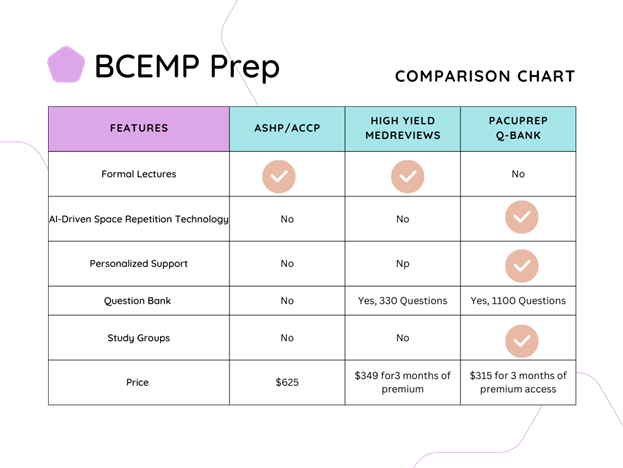
The ASHP/ACCP Emergency Medicine Pharmacy Specialty Review Course is an essential resource for those looking to ace the BCEMP exam. It contains comprehensive review material covering all of the key topics that you’ll need to know to pass. This course also includes a practice exam, so you can test your knowledge and identify any areas that need further study. With the ASHP/ACCP Emergency Medicine Pharmacy Specialty Review Course, you’ll be well-prepared to tackle most questions on the BCEMP exam. One of the downsides is the cost at $425 for members and $625 for non-members. Another component is that this method has less than 400 practice questions outside the practice exam, and not all disease states are covered that may end up on the test. This is slightly different from previous work by ACCP and ASHP as this seems to be a little thinner than previous products for other board certification prep. There is a live study prep that is done in Dallas this March 3-4 if you are interested. This method is what most people will recognize due to having the largest market share of the prep courses but if the product doesn’t improve, others in the market could have an advance in the coming years.

HighYieldMedReviews’ BCEMP REVIEW package

HighYieldMedReviews’ BCEMP review package is an ideal choice for those looking to brush up on their knowledge of the topics covered in the BCEMP exam. This comprehensive study bundle includes more than 330 practice questions and answers, as well as a detailed review of all the key concepts tested on the exam. The review material in the Ebook seems to be more geared towards early-stagged pharmacists, as there’s a lot of discussion on pharmacology and material that could be more useful for trainees. The question bank material is not complete as 1/3 of the question bank is toxicology, and a few very questions at the time of this writing are on neurology, cardiology, and infectious diseases. The questions don’t line up well compared to other options on this list due to the lack of depth of questions in areas like infectious diseases. This is a good tool if you need to get the biostatistics package and review basic concepts. The cost is $349 for the premium package.

PACUPrep BCEMP Question Bank

PACUPrep BCEMP Q-Bank is the ultimate choice for exam preparation for the BCEMP testing. Being the newer product in the board prep business, it appears PACUPrep has focused on one main area, testing and space repetition, and went all in there. With over 1000 thoughtfully curated questions, simulated to mimic real test conditions and advanced space learning algorithms – PACU’s BCEMP Q Bank for achieving your best results in the Board of Pharmacy Specialties (BPS) Emergency Medicine Exam. In addition to the comprehensive question bank, PACUPrep offers detailed analytics reports and personal support anytime, anywhere on both desktop and mobile devices. PACUPrep is the best option for testing and practice exams. Another benefit of PACUPrep is the personalized approach with study plan generation and access to a study group. The personalized approach appears to be the advantage over the other products on the market at this time. PACUPrep does not have formal review material outside of the explanation of the questions. Still, they do provide a list of references including guidelines, review articles, and podcasts by disease states that can be used to prepare for the BCEMP exam. For the price of $305 for three months, you won’t find a better value for your money than PACU’s BCEMP Q Bank at this time.

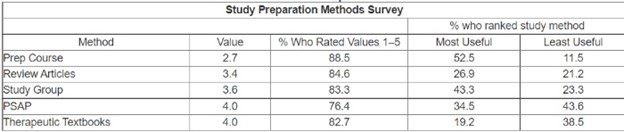
ACCP conducted a survey about the best study preparation methods with lower numbers being ranked higher and lower numbers being ranked lower. This data reveals that the top three methods include a prep course, review articles, and a study group. When looking at the products it appears that only PACUPrep has an extensive question bank, formal study groups, and direct links to review articles. ASHP and ACCP has joined forces to create a prep course, however, the structure is different from past years. High Yield MedReviews has an extremely dense prep course with material ranging back to NAPLEX prep and has a limited question bank, that is expected to grow.

Image from https://www.accp.com/careers/boardFAQ.aspx


In conclusion, each of the available BCEMP exam preparation options has distinct advantages and limitations. HighYieldMedReviews’ BCEMP REVIEW package provides comprehensive review material and practice questions to help you brush up on your knowledge, while ASHP/ACCP Emergency Medicine Pharmacy Specialty Review Course offers course structure that is different from past years. Finally, PACUPrep BCEMP Question Bank offers the most comprehensive question bank and advanced space learning algorithms along with a personalized approach with study plan generation and access to a study group. Depending on your individual needs and budget, these options can help you get ready for the BCEMP exam.

Good luck on your exams!

How to Maintain your BCEMP

Make BCEMP Easy as ABC: A Guide to Re-Certifying for BCEMPs

Are you looking for ways to maintain your Board Certified Emergency Medicine Pharmacist® (BCEMP) certification? BPS offers a range of options, including taking the recertification exam every seven years and completing approved professional development activities. There are plenty of opportunities available for BCEMPs who want to stay up-to-date and ahead of the curve in their field. Read on to learn more about how you can keep your BCEMP Certification current through continuing education or examination.


BCEMP Recertification Exam

 BPS requires that BCEMPs complete either a recertification exam every seven years or participate in BPS-approved activities in order to maintain their certification status. 

  • The recertification exam is 100 questions and has 75 questions dedicated to patient care/management, 15 questions dedicated to practice management, and 10 questions dedicated to education and research.
  • The total length of the exam is 2 hours and 30 minutes.

The advantage to this method is that BCEMPs will not have to purchase continued education credits and pass those exams and potentially be cost-saving. The disadvantage is that by not consistently utilizing the CE courses, some BCEMPs could fall behind in specific practice areas that may have changed over the years. 


Completing Approved Professional Development Activities

In addition to taking the recertification exam every seven years, BPS also offers approved professional development activities that BCEMPs can complete in order to maintain their certification status.

In terms of BPS-approved professional development activities, BCEMPs can acquire at least 100 hours of credit every seven years.

  • BPS offers a variety of BPS-approved programs, including self-directed learning activities, live or virtual lectures/presentations, online courses and seminars, and BC EMP workshops.
  • All BPS approved credits must be reported in the BPS certification database which is accessible to all pharmacists.

The advantage to this method is that it allows BCEMPs to stay current on any changes in the field without having to take the recertification exam every seven years. Additionally, BPS-approved activities are BPS’s way to recognize the knowledge and skills its certified professionals have developed over time. The disadvantage is that there may be added costs associated with purchasing CE credits for some activities and BCEMPs may need to take more time out of their already busy schedules for these activities.

Through BPS’s recertification process, pharmacists have the opportunity to stay up-to-date and remain certified Board Certified Emergency Medicine Pharmacists® (BCEMP). Whether you opt to take the recertification exam every seven years or pursue BPS-approved activities, there are plenty of options available that can help you maintain your BCEMP certification status. With BPS’s resources and guidance, pharmacists can stay competitive in their profession while remaining at the forefront of patient care.

Achieve Excellence in Your Field: Benefits of Becoming Board Certified with the Board of Pharmacy Specialties (BPS)

Becoming board certified with the Board of Pharmacy Specialties (BPS) can provide many benefits to pharmacists.

This certification is an indicator of a pharmacist’s commitment to their patients and profession, as well as their dedication to staying up-to-date on the latest developments in their field of expertise.

This certification also demonstrates a higher level of knowledge, skill, and competency in the specific area of specialty. Board certified pharmacists are seen as leaders in their field and can open up more opportunities for career advancement within the pharmacy profession. In addition, board certified pharmacists may be eligible for salary increases when compared to those who haven’t achieved this certification.

The BPS offers a variety of specialties to choose from, allowing pharmacists to focus on the areas in which they have the most interest and experience. Becoming board certified with the Board of Pharmacy Specialties can be an invaluable step towards becoming a successful pharmacist. It shows employers that you have the knowledge and dedication required to provide quality care to patients, which can help you stand out from other applicants. It also provides personal satisfaction in knowing that you have achieved a higher standard of excellence in your field.

By becoming board certified with the Board of Pharmacy Specialties, pharmacists can demonstrate their commitment to providing the highest level of care to their patients. It is an investment in yourself, as well as a commitment to the profession of pharmacy and the patients it serves. Becoming board certified with the Board of Pharmacy Specialties can be a rewarding experience that benefits pharmacists both professionally and personally.

Five Steps to Becoming a Board-Certified Emergency Medicine Pharmacist


1. Introduction: Overview of the importance of becoming a Board Certified Emergency Medicine Pharmacist

2. Step 1: Obtain an Accredited Pharmacy Degree

3. Step 2: Complete the NAPLEX and MPJE Exam

4. Step 3: Gain Experience in an Emergency Medicine Setting

5. Step 4: Take the BCEMP Exam

6. Step 5: Maintain the BCEMP Credential

7. Conclusion: Benefits of Becoming a Board-Certified Emergency Medicine Pharmacist


Introduction

Becoming a Board Certified Emergency Medicine Pharmacist (BCEMP) is a great way to specialize in providing safe, effective medication services in hospital settings. It requires specialized training and certification from a recognized board of pharmacy, such as the Board of Pharmacy Specialties (BPS).

This article will explain the five steps needed to become a BCEMP, including obtaining an accredited pharmacy degree, taking the NAPLEX and MPJE exams, gaining experience in an emergency medicine setting, taking the BCEMP exam, and earning and maintaining your BCEMP credential. With the right preparation and experience, you can make a difference in patient care by becoming a board-certified emergency medicine pharmacist.


Here are the five steps to becoming a board certified emergency medicine pharmacist:

1. Obtain an Accredited Pharmacy Degree – To become a BCEMP, you must first complete an accredited Doctor of Pharmacy (PharmD) degree program. Programs typically take four years to complete, and some require residency training.

2. Complete the NAPLEX and MPJE Exam – The National Association of Boards of Pharmacy (NABP) requires all pharmacy professionals to pass the NAPLEX and MPJE Exam to be eligible for certification. The NAPLEX is a national examination that gauges your knowledge and understanding of pharmacy practice. At the same time, the MPJE is a state-specific exam assessing your legal knowledge related to the distribution and use of drugs.

3. Get Experience in a emergency Medicine Setting – You must obtain at least four years of practice experience in a hospital or emergency department setting with at least 50% of time spent in the scope defined by the Board of Specialty Pharmacy to meet the requirements for board certification. During this time, you should strive to gain as much knowledge of emergency medications and protocols as possible. Another way to become eligible is with residency training . Successful completion of PGY1 pharmacy residency2 within the past seven years, plus at least two years of Emergency Medicine Pharmacy practice experience1 with at least 50% of time spent in the scope. PGY2 training is the quickest method, as BPS requires successful completion of PGY1 pharmacy residency2 plus successful completion of an ASHP-accredited/candidate status PGY2 pharmacy residency in Emergency Medicine Pharmacy within the past seven years.

4. Take the BCEMP Exam – Once you have completed the necessary experience and education, you can apply to take the BCEMP exam. This exam tests your knowledge of emergency medicine protocols, pharmacology principles, patient care and management, practice management, education and research, and regulations related to dispensing medications in an emergency setting.

5. Earn and Maintain the BCEMP Credential – After completing the exam, you will receive a certification from BPS indicating that you are now a Board Certified Emergency Medicine Pharmacist. However, to maintain this credential, you must earn at least 100 hours of continuing education credit provided by a professional development program approved by BPS. Another method is by examination, where you have to achieve a passing score on the 100-item recertification examination (administered by BPS), based on the content outline for the Emergency Medicine Pharmacy Specialty in their seventh year following initial certification.


Conclusion

Becoming a board-certified emergency medicine pharmacist is essential in providing safe, effective medication services in hospital settings. With the proper training and experience, you can make a long-term career in this field. Following the steps outlined here, anyone with a PharmD degree can become certified to practice emergency medicine. With the correct preparation and dedication, you can become a board-certified emergency medicine pharmacist and expand your career opportunities.


Jimmy L. Pruitt III, PharmD, BCPS, BCCCP
Emergency Medicine Clinical Pharmacy Specialist

What are the requirements to sit for BCEMP exam?

– BPS BCEMP Exam: An Overview of Requirements

Are you looking to advance your career as a pharmacist in the field of emergency medicine? BPS Board Certified Emergency Medicine Pharmacist (BCEMP) certification is an excellent way to demonstrate your expertise in this field and open up new opportunities for advancement.

To qualify for the BPS BCEMP exam, one must have at least four years of full-time experience in emergency medicine practice and or residency training. In this article, we will provide an overview of the BPS BCEMP certification process, including requirements needed to qualify for the exam and tips for successful completion. Read on to learn more about how you can elevate your career as a pharmacist through BPS BCEMP certification.

Earning Board-Certified Emergency Medicine Pharmacist (BCEMP) recognition can be a major milestone for those seeking to specialize in the field. Prospective candidates must meet all requirements listed before taking the initial certification exam, which will ultimately determine eligibility for board designation. Passing this specialized examination is an opportunity to take your career and professional standing as an emergency medicine pharmacist one step further!

To qualify for BPS Board Certified Emergency Medicine Pharmacist (BCEMP) certification, one must meet certain criteria. This includes having a current, active license/registration to practice pharmacy in the United States or another jurisdiction and graduation from a pharmacy program accredited by the Accreditation Council for Pharmacy Education (ACPE) or a program outside the U.S. that qualifies the individual to practice in their jurisdiction.  Additionally, applicants must have at least four years of full-time experience in emergency medicine practice and/or residency training, or completion of PGY1 pharmacy residency plus two years of Emergency Medicine Pharmacy practice experience with at least 50% of time spent in the scope defined by the exam content outline. Another way is by successfully completing PGY1 pharmacy residency2 plus completing an ASHP-accredited/candidate status PGY2 pharmacy residency in Emergency Medicine Pharmacy within the past seven years. For any BPS certification examination, applicants who choose to demonstrate their eligibility through practice experience must have a valid employer attestation verifying that 50% of the time in the activities related to that certifcation has been spent within 7 years prior to submitting an application.

Applicants must also pass the BPS-approved BCEMP exam. This BPS Board Certified Emergency Medicine Pharmacist (BCEMP) assessments typically cover topics such as pharmacology, clinical practice guidelines, therapeutic decision-making, and more. Upon successful completion of the BPS BCEMP examination, individuals will be certified as BPS Board Certified Emergency Medicine Pharmacists. This certification demonstrates expertise in providing safe and effective medication therapies and responding to complex clinical situations that may arise in an emergency care environment.


Eligibility Requirements

A. Graduation from ACPE-accredited pharmacy program or international program

B. Active license/registration to practice pharmacy in U.S./jurisdiction

C. Practice experience (4 years EM, PGY1 +2 years, or PGY1+ PGY2 EM)


We hope this overview of the BPS BCEMP certification process has been useful for those looking to take their career as a pharmacist in the field of emergency medicine to the next level. BPS Board Certified Emergency Medicine Pharmacist (BCEMP) certification is a valuable credential that can open up new opportunities and help you stand out from the crowd.

Good luck with your BPS BCEMP examination journey!

What is Board Certified Emergency Medicine Pharmacist  (BCEMP)?

The Board Certified Emergency Medicine Pharmacist (BCEMP) program is a credential for pharmacists who specialize in the care for patients at the bedside across diverse populations and acuity levels, with a focus on optimizing pharmacotherapy, improving patient safety, increasing efficiency and cost-effectiveness of care, facilitating medication stewardship, educating patients and other healthcare providers, and contributing to scholarly efforts.

The purpose of the BCEMP program is to validate that the pharmacist has the advanced knowledge and experience to optimize patient outcomes by ensuring quality patient care; improving therapeutic outcomes; assuring safety; and supervising, training, and ensuring competency of all personnel involved in emergency medicine.

Pharmacists who meet all of the eligibility criteria including passing an examination will be awarded the credential titled: Board Certified Emergency Medicine Pharmacist® (BCEMP).

How Space Learning helps you pass board certification exams

Unleash the Power of Spaced Repetition for Pharmacist Board Certification Exams

Outline

Introduction

A. What is Spaced Repetition?

B. Benefits of Spaced Repetition for Pharmacist Board Certification Exams

II. How to Implement Spaced Repetition Strategies

A. Create a Study Plan and Set Regular Review Points

B. Tailor the Study Plan to Your Learning Style

C. Focus on Strengthening Weak Areas

III. Conclusion

A. Maximizing Exam Scores with Spaced Repetition Strategies

B. Final Thoughts on Using Spaced Repetition for Board Certification Exams


Introduction

Are you preparing for your Pharmacist Board Certification Exam? If so, you need to study effectively so you can make the most of your time and maximize your exam score. One way to do this is by using spaced repetition – an evidence-based learning technique proven to increase the rate of learning. In this blog post, we will discuss the benefits of spaced repetition for Pharmacist Board Certification Exams, how to implement it, and some tips on maximizing your exam score with space repetition strategies. So let’s dive in!


What is Spaced Repetition?

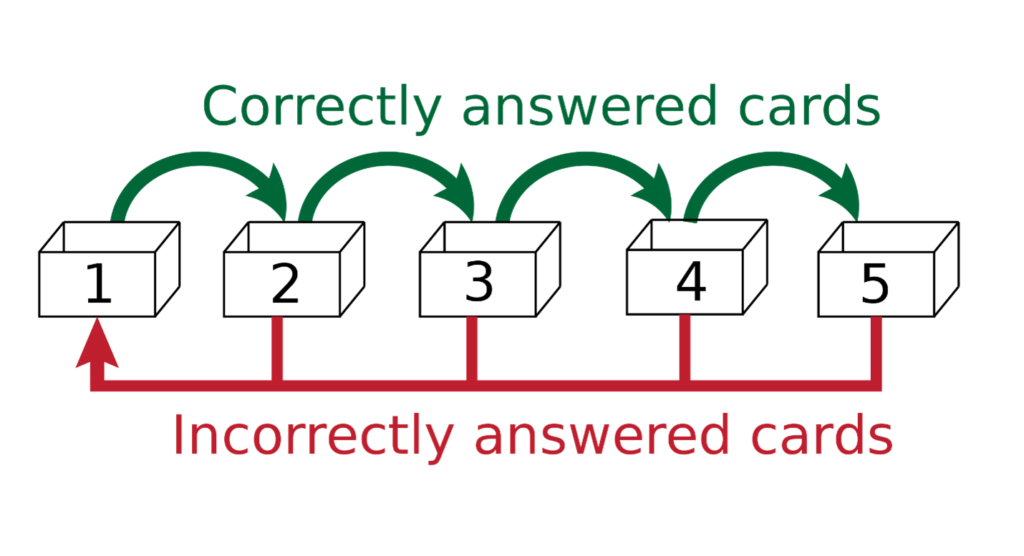
Spaced repetition is an evidence-based learning technique that is usually performed with flashcards or questions. It involves deliberately spacing out the time spent studying a specific topic or material in order to better retain the knowledge. Newly introduced and more difficult questions are shown more frequently, while older and less difficult flashcards are shown less frequently in order to exploit the psychological spacing effect. The use of space repetition has been proven to increase the rate of learning by helping students to better retain information over time. It can be used effectively in many contexts, including for pharmacist board certification exams. By using space repetition, pharmacists can ensure that they are consistently revisiting the material they need to know and strengthening their understanding of the topics. This can ultimately lead to improved exam performance and a successful board certification.


Benefits of Spaced Repetition for Pharmacist Board Certification Exams

Spaced repetition is an excellent tool for pharmacist board certification exams, as it can help to increase the rate of learning and improve performance on the exam. It can also be used to reinforce knowledge and strengthen understanding of concepts. By utilizing space repetition strategies, pharmacists can ensure that they are reviewing material in a way that is tailored to their individual needs and learning styles. By scheduling regular review sessions, pharmacists can ensure that all of the material has been thoroughly understood. This will ultimately lead to improved exam scores and better overall performance in the board certification process. Additionally, space repetition is a great way to focus on weaker areas of knowledge, allowing pharmacists to spend their studying time on topics that need more work. In this way, space repetition can be used to maximize the effectiveness of studying for board certification exams.


How to Implement Spaced Repetition Strategies

In order to effectively use space repetition strategies for pharmacist board certification exams, it is important to create a comprehensive study plan that incorporates space repetition. First, pharmacists should break down the material into smaller, more manageable chunks and create a timeline for studying each section. This timeline should be tailored to the individual’s learning style and include regular review points for space repetition. It is important to space out those reviews in order to maximize their effectiveness, as this will allow pharmacists to fully understand and retain the material. Additionally, space repetition should be used to focus on weaker areas of knowledge and ensure that those topics are being thoroughly reviewed. By creating a comprehensive space repetition strategy and sticking to it, pharmacists can ensure that they are fully prepared for their board certification exam.


Conclusion

Spaced repetition is an evidence-based learning technique that can be used effectively to maximize exam scores for pharmacist board certification exams. By utilizing space repetition strategies, pharmacists can ensure that they are consistently revisiting material and reinforcing their understanding of the topic. This will ultimately lead to improved performance on the exam and better overall outcome in the board certification process. Additionally, space repetition is a great way to focus on weaker areas of knowledge and ensure that those topics are being thoroughly reviewed. In this way, space repetition can be used to maximize the effectiveness of studying for board certification exams.

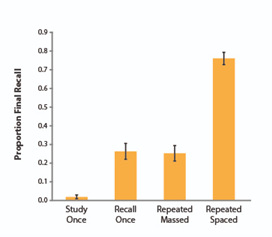
Repeated retrieval with long intervals between each test produced a 200% improvement in long-term retention relative to repeated retrieval with no spacing between tests


Reference: How To Remember What You Learn For Longer With Spaced Repetition. https://blog.alexanderfyoung.com/how-to-remember-what-you-learn-for-longer-with-spaced-repetition/

How the BCEMP Test is Administered and What Is On It?

Preparing for the BCEMP Exam: What You Need to Know about the Exam

1. Introduction

2. Overview of the BCEMP Exam

3. Over of Domains of BCEMP EXAM

4. Conclusion


Introduction

The Board Certified Emergency Medicine Pharmacist (BCEMP) exam is a rigorous assessment of emergency medicine knowledge and understanding. As an essential component for those seeking professional success within the field, this 4-hour and 23 minutes, computer-based test covers topics such as pharmacology, patient assessment, disease state management, and emergency department protocols. Knowing what to expect on the exam and how to properly prepare for it is key to passing with flying colors. This article provides an overview of the BCEMP exam and offers strategies for success. From understanding the domains covered, to reviewing relevant material, this guide will equip you with the knowledge necessary for approaching the BCEMP exam with confidence. Read on to learn more about this essential test and take the first step towards professional advancement.


BCEMP Exam Overview

The BCEMP exam is divided into three domains. Domain 1: Patient Care and Management covers topics such as patient assessment, diseases state management, pharmacology, medications, and other related issues. Domain 2: Practice Management focuses on the delivery of emergency care services including review adverse drug events and medication errors, quality assurance activities,  drug shortages, drug shortages, emergency/disaster preparedness planning, and practice advancement and growth. Domain 3: Education and Research looks into the delivery of patient education and research skills in emergency medicine. A successful completion of the BCEMP exam can be used to demonstrate mastery in emergency medicine topics and may lead to increased professional opportunities. It is important to properly prepare for the BCEMP exam by studying resources provided by the Board of Specialty Pharmacy. The exam is 175 questions , multiple-choice and is based on the content outline released by the Board. The length of the exam is 4 hours and 23 minutes. Taking the time to study for this exam adequately can ensure candidates are positioned for success on their certification journey.


Domains of BCEMP EXAM

Domain 1: Patient Care and Management covers patient assessment, disease state management, pharmacology, medications, and other related issues. This is 75% of the exam or 131 questions on the certification exam and is mostly pharmacotherapy. This included your disease state management, drug information, and preparation and procurement activities. The subdomain items are listed below

  • Participate in the bedside management of medical emergencies (e.g., trauma, stroke, psychiatric, toxicological) and resuscitations to optimize the medication use process. 
    • Identify and prioritize (triage) Emergency Department patients by analyzing the relevant acuity indices and opportunities for optimization of pharmacotherapy.
    • Collect essential patient information (including patient history, medication use) by utilizing available resources (e.g., pre-hospital providers).
    • Identify and evaluate medication-related problems based on clinical presentation, available history, or laboratory data.
    • Contribute to the formulation of a differential diagnosis in the setting of limited information. 1.06 Design pharmaceutical care plan utilizing available patient-specific information and best available evidence to provide patient and family-centered care.
    • Recommend and support implementation of the pharmaceutical care plan in the Emergency Department.
    • Expedite the preparation/procurement and administration of time-sensitive therapeutic regimens.
    • Make evidence-based recommendations for alternative routes of administration.
    • Monitor and evaluate patient response to initial therapy and re-design treatment plan as necessary.
    • Serve as the primary source of drug information for all practitioners and patients within the Emergency Department. 
    • Ensure continuity of care during healthcare transition and across levels of care.
    • Identify and seek appropriate outside resources available to assist in the management of the Emergency Department patient. 

Domain 2: Practice Management focuses on the delivery of emergency care services including review adverse drug events and medication errors, quality assurance activities, drug shortages, drug shortages, emergency/disaster preparedness planning, and practice advancement and growth. we can think of this as part of your day when you’re replying to emails, making protocols, reviewing medication safety events, and dealing with stocking your automatic dispense cabinets with medications that may or may not be on shortage. Domain 2 represents 15% of the exam or 26 questions on the certification exam. The subdomain items for domain 2 is below.

  • 2.01 Anticipate, monitor, detect, report, and review adverse drug events and medication errors. 2.02 Recognize trends, system failures, and gaps in the medication use process, and perform quality assurance activities (e.g., MUE) that promote safe and effective medication use.
  • 2.03 Ensure a process to maintain and optimize inventory and availability of medications essential to provide timely care in the Emergency Department.
  • 2.04 Ensure an appropriate process exists for medication order review in the Emergency Department.
  • 2.05 Assist the organization in achieving compliance with accreditation, legal, regulatory, and safety requirements related to the medication use process.
  • 2.06 Contribute to contingency planning that addresses limited availability of critical drugs that affect patients in the Emergency Department (e.g., drug shortages, emergency preparedness). 2.07 Participate in emergency/disaster preparedness planning or response activities.
  • 2.08 Develop, maintain, monitor, and support evidence-based medication use guidelines and pathways to assure safe and cost-effective medication use.
  • 2.09 Identify and implement opportunities for practice advancement and growth within the Emergency Department (e.g., collaborative practice agreements, public health initiatives, expanded coverage).
  • 2.10 Advocate for and justify emergency medicine pharmacy services. 

Domain 3: Education and Research look into the delivery of patient education and research skills in emergency medicine. This is probably the code name for some biostatistics and research designs here. Most of this will need a little touching on if you’re not actively involved in research. Domain 3 represents 10% of the exam or 18 questions on the certification exam. The subdomain items are listed below

  • 3.01 Provide emergency medicine professionals and trainees. — focused education, training, or mentoring for healthcare
  • 3.02 Educate patients and caregivers using appropriate techniques tailored to the audience, with a focus on high risk medications or where the visit resulted from an adverse drug event.
  • 3.03 Participate in continuous professional development related to emergency pharmacy practice (e.g., professional organizations, continuing education, clinical pharmacy networks).
  • 3.04 Retrieve and critically evaluate biomedical literature and other sources regarding study design methodology, statistical analysis, and applicability of study results to emergency medicine. 3.05 Contribute to the body of knowledge in the field of emergency medicine

Conclusion

In conclusion, the BCEMP exam is a comprehensive test that covers all aspects of emergency medicine, from patient care to practice management and education and research. Preparing for the test requires an understanding of the content domains and subdomains, as well as a thorough review of related materials. With proper preparation and dedication, individuals can successfully pass the BCEMP exam and become certified in emergency medicine. Good luck!

The BCEMP exam is a challenging test, but with the right preparation, anyone can become certified in emergency medicine.

Good luck!


Jimmy L. Pruitt III, PharmD, BCPS, BCCP
Emergency Medicine Clinical Pharmacy SPeacialist